
Website Development for Veterinary Clinics

A vet's website is often glanced at from a car with a sick animal on someone's lap, so the first screen must answer at once: are you open, and how do I call?

Further down come the species you treat, your vets and your equipment, shown with real animals rather than stock puppies.

See the full Web Design and Development service·See what we offer veterinary clinics

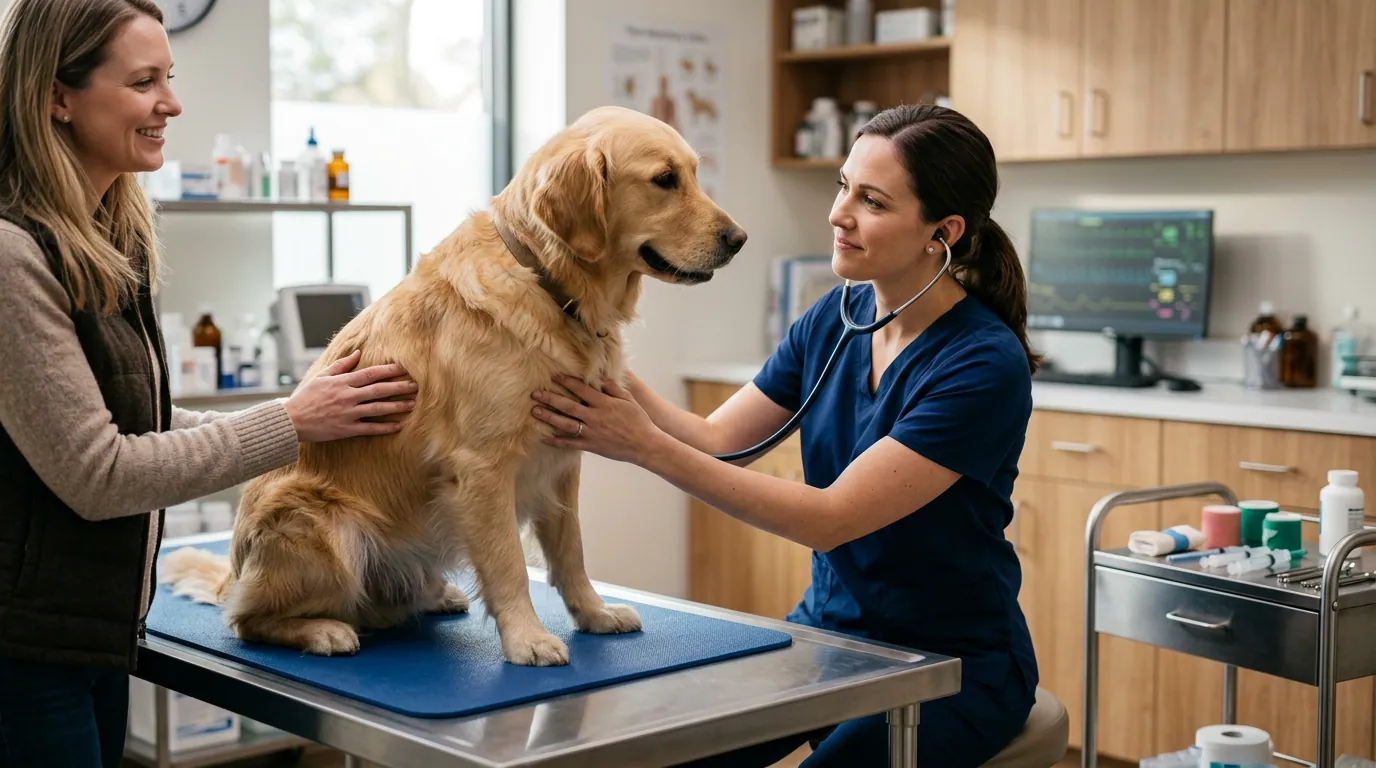
Vet talking with a pet owner in a clean, modern clinic

Online challenges for veterinary clinics

Thin page templates, buried proof and forms that slow visitors down on a phone are what we fix before any talk of a redesign.

People want to see who treats the animal and where it happens

Trust grows faster when the clinic shows real vets, the facility and what happens during the visit.

  • A general clinic page feels weaker than clear vet profiles, photos and short treatment explanations.
  • That proof matters before someone calls, especially for a first visit or a stressful case.
Too many services on one page make the offer hard to understand

Surgery, diagnostics, preventive care and urgent help answer different questions.

  • One broad page makes it harder for Google and for pet owners to match the visit to the right service.
  • Clear service pages improve both visibility and the quality of enquiries.

Opening hours buried under a welcome message

In a hurry, an owner wants three things from the first screen: whether you are open, the phone number and how to get in.

  • A site that opens with a welcome text and a photo slider hides all three.
  • Generic animal photos say nothing about your own waiting room and your own vets.

Web Design and Development approach for veterinary clinics

For veterinary clinics, we plan the site around the paths that matter most, with proof next to each decision and the most urgent action placed first.

Open now, the phone and the door, before anything else

An owner with a sick animal looks at a clinic site for seconds, on a phone, often in a car.

  • The first screen says whether you are open at this moment, shows a number that dials on a tap and tells the owner to ring before setting off.
  • When the clinic is closed, the same place names the out-of-hours service you send animals to. The button for booking a routine visit sits right below.

Species, vets and equipment ahead of the brochure text

Before trusting a clinic, owners want to know whether it treats their kind of animal and who will handle it.

  • The menu leads to a plain list of animals treated, the services with what their prices include, and the vets with their fields of interest.
  • A new client can fill in the details of the animal online before the first visit, from species and age to the microchip number, which shortens the queue at the desk.

Real animals in the photos, and a launch without loose ends

Stock pictures of spotless puppies convince nobody who has sat in a waiting room.

  • We ask for photos of the team with their own patients, taken with the consent of the owners, of the entrance and the parking, and for the price list as text.
  • At launch the old price-list file points to the new page, links in vaccination reminders are updated, and the form for repeat medicines is tested with a vet approving each request.

Web Design and Development process for veterinary clinics

01

Brief and material

We agree what the site has to do and collect what we need from you: photos, facts and the questions customers ask.

02

Structure and design

We plan the pages in the order a visitor decides and design the phone screen first. On a vet's site the top line says whether you are open now, with the phone and the way in, before anything about the clinic's history.

03

Build and launch

We build a fast site, redirect old addresses so nothing is lost and test every form and call button before launch.

04

After launch

We watch which pages lead to enquiries and fix whatever slows visitors down.

Price: a website for veterinary clinics with 1–3 pages starts at €650, and a company website with 5–7 pages at €1,300, plus VAT.

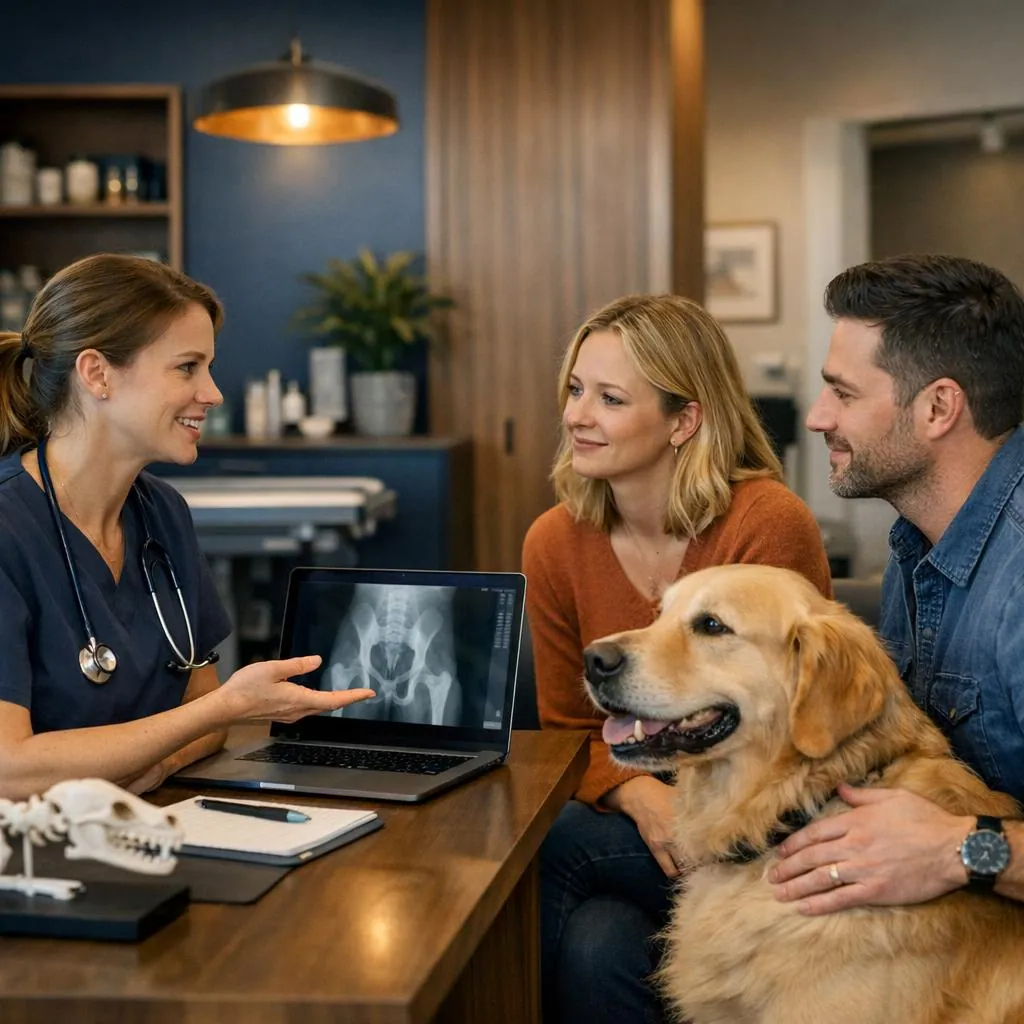
Vet examining an animal calmly and planning its treatment

How we measure results for veterinary clinics

We count calls from the top of the page and booked visits, and check that the opening status updates itself when hours change.

Questions about Web Design and Development for veterinary clinics

Plain answers about Web Design and Development, written for veterinary clinics.

Both, for different visits.

  • Vaccinations, check-ups and nail clipping are booked online without trouble, and that frees the line.
  • A sick animal is another matter: the desk has to ask a few questions to judge how urgent it is, so the page says clearly to ring.
  • The site explains which visit goes which way.

Food and care products, yes, through a simple order form with collection at the clinic.

  • Prescription medicines need the approval of a vet, so the site takes a request and the clinic confirms it before anything is handed over.
  • A full online shop with delivery is a separate project, and few clinics need one.

A standard veterinary site is built in 4–8 weeks.

  • The slowest part is usually the photos and the price list, so we ask for those at the start.
  • It is wise to launch outside your busiest time of year, when nobody at the desk has a spare minute to check that reminders and forms still arrive.

By calls made from the site, hour by hour, and by routine visits booked online.

  • We also count new-client forms completed before the first visit.
  • The desk tells us whether owners still ring to ask if you treat rabbits or what neutering costs, because each of those calls is a question the site should have answered.

General questions about Web Design and Development, the same for every trade, are in our FAQ.

FAQ: Web Design and Development

Need a growth plan for veterinary clinics?

Share your goals and constraints. We will turn them into a practical Web Design and Development plan for veterinary clinics.