
Social Media Marketing for Veterinary Clinics

Social media for veterinary clinics meets owners where they already are, in local Facebook groups full of pet photos and lost-and-found notices that a clinic can help pass on.

Sharing a notice about a lost dog or a warning about poison in the park earns a clinic more goodwill than any advert.

See the full Social Media Marketing service·See what we offer veterinary clinics

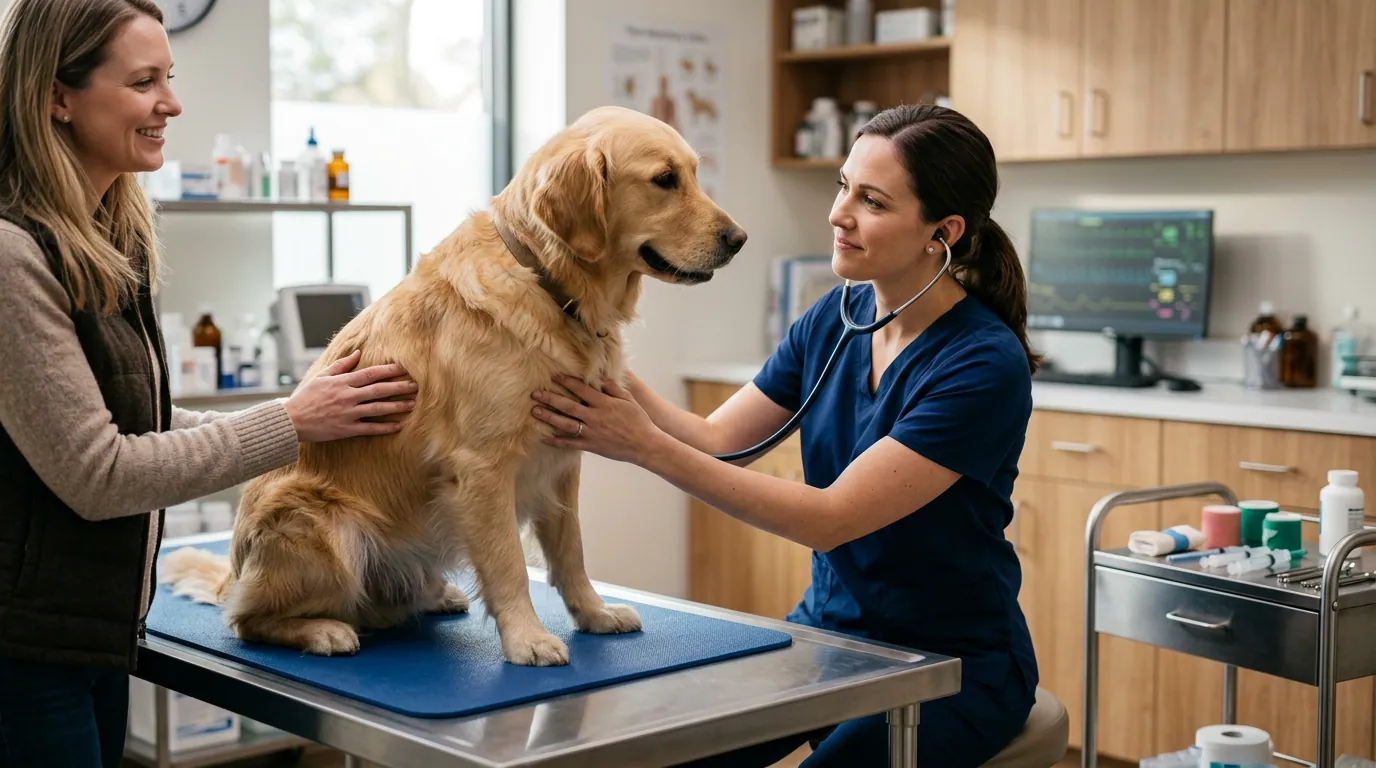
Vet talking with a pet owner in a clean, modern clinic

Online challenges for veterinary clinics

Irregular posting, trends that do not suit the brand and hidden limits put off people who are already comparing you with others.

People want to see who treats the animal and where it happens

Trust grows faster when the clinic shows real vets, the facility and what happens during the visit.

  • A general clinic page feels weaker than clear vet profiles, photos and short treatment explanations.
  • That proof matters before someone calls, especially for a first visit or a stressful case.
Comments about prices and grief that nobody is ready to answer

Most replies under a clinic's posts are warm, but now and then an owner complains about a bill or writes about losing a pet.

  • A hurried answer can hurt more than silence, so the team needs agreed words before it happens.
  • Advice about home remedies in the comments can harm an animal if nobody from the clinic steps in.

Social Media Marketing approach for veterinary clinics

For veterinary clinics, we plan social media around a few steady themes, proof from real work and paid promotion only where the result can be tracked.

Facebook and Instagram, where pet owners already gather

Owners follow local animal groups, share photos of their pets and look there for warnings and lost dogs.

  • A clinic page on Facebook is read by the district, above all when it passes on notices about lost and found animals. Instagram suits the photos, which in this trade need little help.
  • Short video is worth it when a vet or a nurse enjoys it. A professional network for companies brings a clinic for pets nothing.

Four-legged patients, and owners who agree first

No other trade has subjects as photogenic as a puppy on its first visit.

  • A nurse takes the pictures, and the owner gives consent at the desk, by a tick on the registration form, before anything is published. The consent can be withdrawn at any time.
  • We show recovered patients, the team and a new piece of equipment, and keep operations and wounds out of the feed or behind a warning. Records, names and addresses never appear in the background.

Prices, grief and dangerous advice in the comments

Replies under the posts of a clinic are warmer than anywhere else, and now and then much harder.

  • A complaint about a bill gets one calm reply and an invitation to talk it through by phone. Condolences are answered with sympathy and without a word about the treatment.
  • When a stranger recommends a human medicine for a dog, the clinic corrects it plainly and hides the comment if it gives a dose, because other owners read such threads later.

Social Media Marketing process for veterinary clinics

01

Channel choice

We pick the channels your customers really use and leave the others alone.

02

What to show

We plan what to post, who takes the photos and a rhythm the team can keep. For vets, we agree which cases never appear in posts, such as surgery photos or an animal that later died, so no owner is hurt by what they see.

03

Comments and messages

We agree who answers comments and messages, how fast, and what is never discussed in public.

04

Paid support and review

We pay to promote a post only when it has a clear job, and judge the work by messages and enquiries, not followers.

Vet examining an animal calmly and planning its treatment

How we measure results for veterinary clinics

We count appointments and calls that started from a post or a message, not the number of likes under a cute photo.

Questions about Social Media Marketing for veterinary clinics

Plain answers about Social Media Marketing, written for veterinary clinics.

A mix of patients, people and timely warnings.

  • A recovered animal with the consent of its owner, a vet or a nurse introduced by name, a new service, changed hours before a holiday.
  • Seasonal posts earn their place when they are specific, such as grass seeds in summer or antifreeze and chocolate in winter.
  • Lost and found notices from the neighbourhood are often shared more readily than anything you write yourselves.

Yes, and quickly.

  • A short reply from the clinic says that the medicine can be dangerous for animals and that the owner should ring a vet, without shaming the person who wrote it.
  • If the comment gives a dose, hide it.
  • Other owners read these threads long after the post, and silence looks like agreement.

With the consent of the owner, yes, and it is easiest to ask when the animal is registered.

  • Keep names, addresses and anything from the medical record out of the frame.
  • Animals that are very ill or have died are not shown, unless the owner asks for a farewell post and words it with you.

When there is a date or a limited offer and the audience lives nearby.

  • A microchipping day, check-ups for older pets in a quiet season, puppy classes or a new branch are good reasons.
  • The promoted post goes to people in your area and opens a page where the visit can be booked, not just the profile.

General questions about Social Media Marketing, the same for every trade, are in our FAQ.

FAQ: Social Media Marketing

Need a growth plan for veterinary clinics?

Share your goals and constraints. We will turn them into a practical Social Media Marketing plan for veterinary clinics.