
Digital Marketing for Restaurants
Where to eat is decided on Google and Google Maps in seconds, usually before anyone reaches your website.
Finding you, reading the menu and booking each get a clear path.
Real photos, the menu and reviews come first, and booking direct takes one tap.
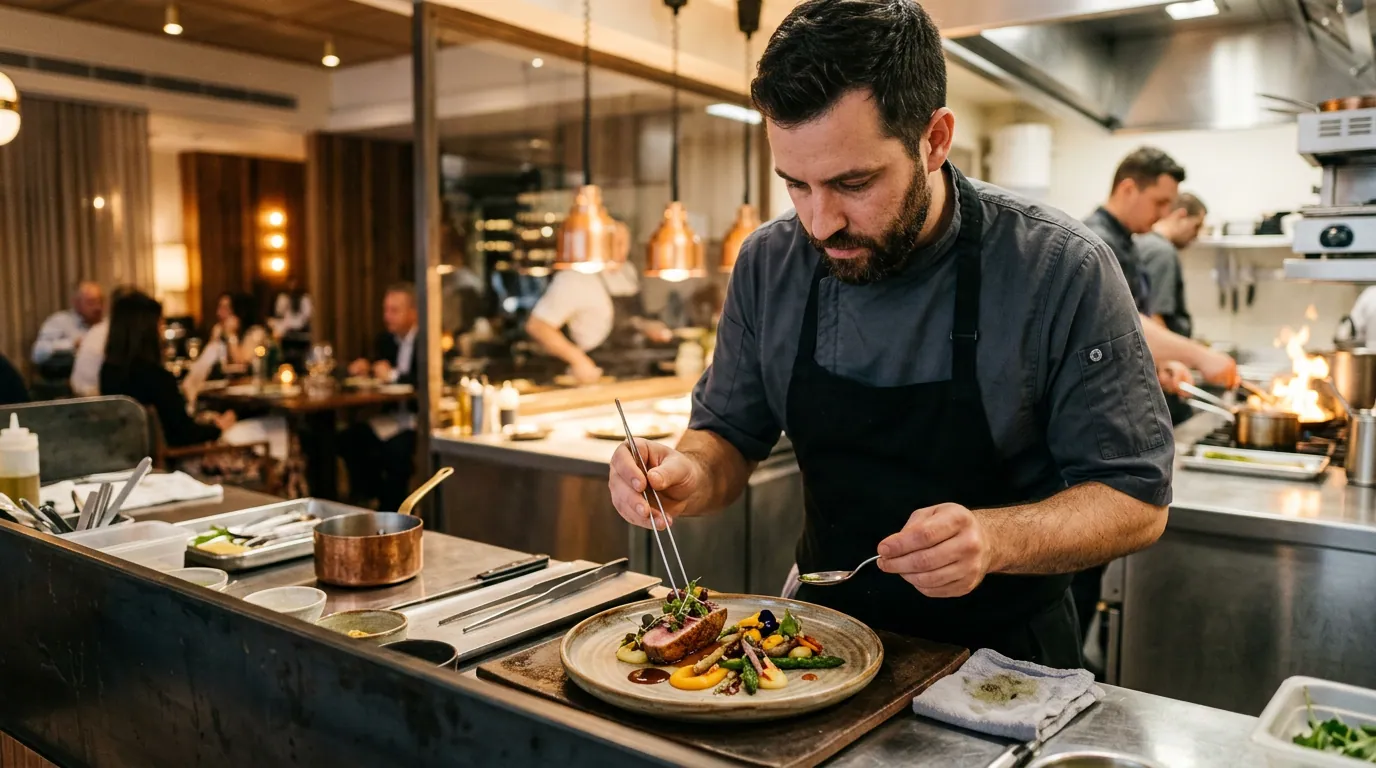
What decides whether restaurants get found on Google
The map results and the first screen of your website win most of the bookings. Almost everything else comes after those two.
- Most of the 'where to eat' decision happens on Google and Google Maps, so your profile and photos matter before the site does.
- Delivery apps and booking platforms take a cut of the margin, so booking direct needs to be the obvious, easy choice.
- Menu, photos, and reviews decide the booking in seconds, so they have to load fast and be up to date.
- We count covers and direct reservations, the bookings you keep the full margin on.
For restaurants, FOXVISITS joins up Google Search, Google Maps and your website: pages built around what people actually search for, proof that matches the bookings you want, and reports that count direct bookings, not traffic.
Win on your profile
Your Google Business Profile, menu and direct booking working together, before a delivery app takes the order.
Covers, not clicks
We report direct reservations and covers: the bookings where you keep the margin.
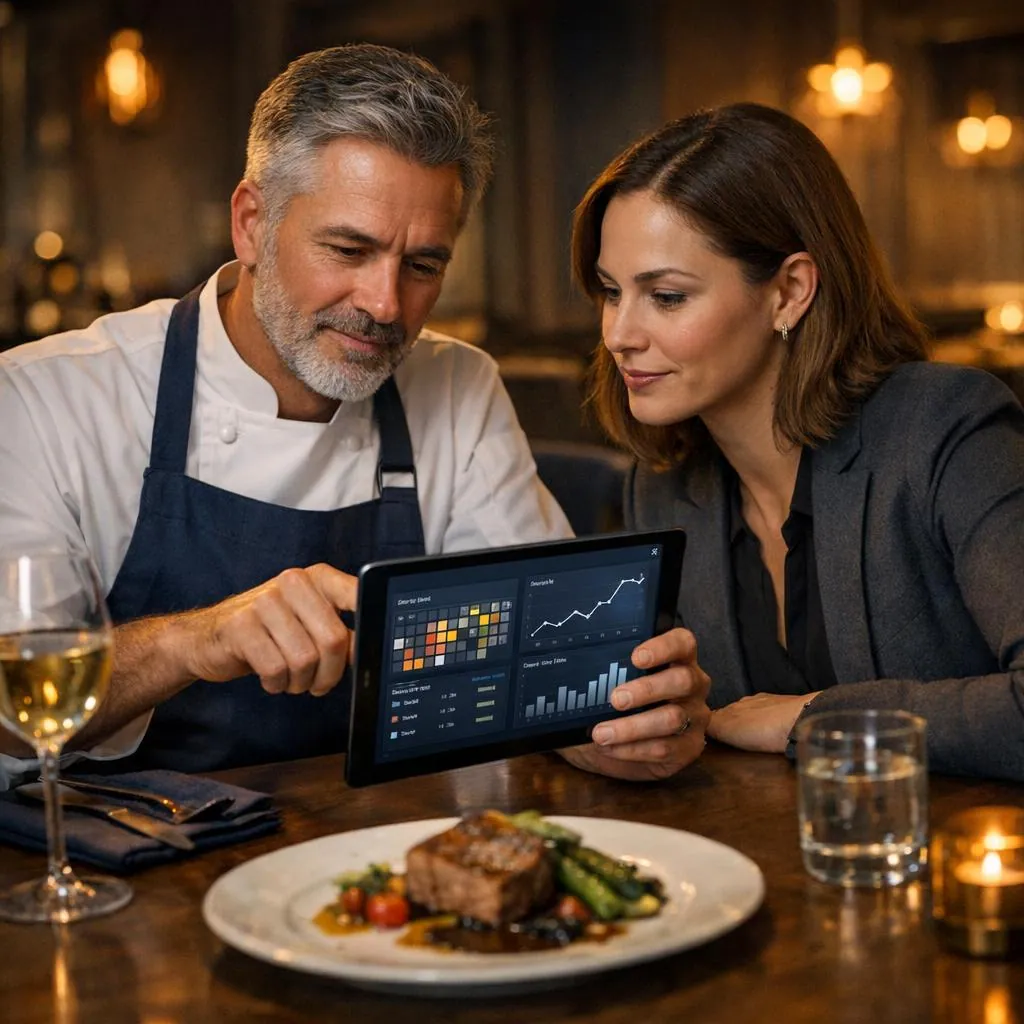
Our services for restaurants
Each card opens the plan of one service for restaurants: what we do, how we check the work and how we report results.
Service page
SEO
Pages for your cuisine, occasions and area, so diners can find you directly rather than through a delivery app.
See the planService page
Local SEO
A current menu and photos on your Google Business Profile, where many “where to eat” decisions start.
See the planService page
Google Ads
Ads for people looking to book a table. Success is a direct booking, not an order through a delivery app.
See the planService page
Web Design and Development
The menu, photos and direct booking in one place on a fast site, so guests can book with you instead of through an app that takes a commission.
See the planService page
AI & GEO
People ask AI tools about where to eat for a special occasion. We keep your menu, opening hours and the occasions you host up to date on your pages and profiles, so an answer about places to eat has current facts.
See the planService page
Link Building
Local food guides, event listings and city magazines: the places where people look for somewhere to eat, and where we look for links.
See the planService page
Lead Generation
A short path to book a table directly, and a separate enquiry form for private parties and events.
See the planService page
Social Media Marketing
Real dishes and the atmosphere of the room, with the booking link always in reach.
See the planService page
Conversion Optimisation
The booking button set as the obvious next step on your site and on your Google Business Profile.
See the planFour problems we fix first for restaurants
What you offer, where you are, the photos and the reviews have to agree at first glance. When they do not, people choose the next place on the list.
Demand splits between finding a place, booking a table and ordering delivery.
- Eating in, events and delivery each on a clear path.
- Booking never buried under a link to a delivery app.
The map results and the pace of new reviews decide which place gets the first click.
- Fresh photos, a current menu and replies to reviews on your profile.
- A steady way to ask every guest for a review.
Menu pages are often not built for what people search for or for turning a visit into a booking.
- Menu pages as text Google can read, not only a PDF.
- A clear, simple way to reserve a table on a phone, next to the menu.
Ad budget is wasted when the ads and the pages behind them do not match the meal or occasion.
- Ads for each meal and occasion, each leading to the matching page.
- Reservations tracked by where they came from, so spend goes where the guests come from.
Our plan for restaurants, step by step
- 1
Make Google Maps do the selling
The decision starts on Google Maps, so your profile, photos, and menu come first.
- 2
Separate dine-in, events, and delivery
Each is a different reason to visit, so each gets a clear path.
- 3
Make direct booking the easy choice
Booking direct keeps the margin with you, so the way to do it is front and centre.
- 4
Measure direct reservations and covers
We report on direct bookings and covers.
What we measure and report for restaurants
This is what we track from the first month and show in every report.
Covers tracked
Direct reservations and covers by where they came from, not orders through apps.
Dining searches
Where you show in the results diners click when they search for a cuisine, an occasion or a place to eat nearby.
Cost per cover
Spend per guest who booked direct, measured against your own starting point.
These cards show what we track and report for restaurants, not invented numbers. Real client results are in our case studies.
Questions about marketing for restaurants
Results from other sectors
We have not published a case study from this sector yet. These two come from other sectors and show how we work and how we report results.
Home Services
From Zero Online Presence to the Top 3 in Local Search
A new cleaning company in Germany had nothing online. We built its online presence from zero, and it now shows in the top 3 of local results for its main service phrases.
Read case studyE-Commerce
340% Revenue Growth for an E-Commerce Brand With Thousands of Products
An online shop with a large catalogue made its products easier for Google to find, fixed the product data it sends to Google Shopping and removed what stopped people from buying.
Read case studyRead more on the sector pages: Digital Growth for Home Services Businesses, Digital Growth for E-Commerce Businesses
Related articles
Article
Local SEO Checklist for Small Business (2026)
A step-by-step local SEO checklist for small businesses: one master sheet of your details, the Google profile, your website, listings and reviews, in the order that pays off first.
Read moreArticle
Google Business Profile Optimisation Guide (2026)
How to set up a Google Business Profile correctly and keep it accurate: verification, categories, description, photos, posts, reviews and a 30-minute monthly routine.
Read moreArticle
Local Pack Ranking Factors in 2026: What Decides the Map Results
What decides which businesses Google shows in the map results: relevance, distance and prominence, what Google confirms, what is a myth, and what you can influence.
Read moreWant more direct bookings and less reliance on booking platforms?
Request an audit for restaurants: Google Maps, the booking path on your website, your offers and your reviews. We show first where bookings slip away, then what to fix next.