
Google Ads for Restaurants

For Restaurants, Google Ads should catch booking intent, not just inflate click volume.

We separate occasion-driven dining demand and branded cuisine intro, keep availability logic honest to opening hours, booking availability, and delivery radius, and make paid spend work harder for direct revenue.

View full Google Ads service·Explore industries

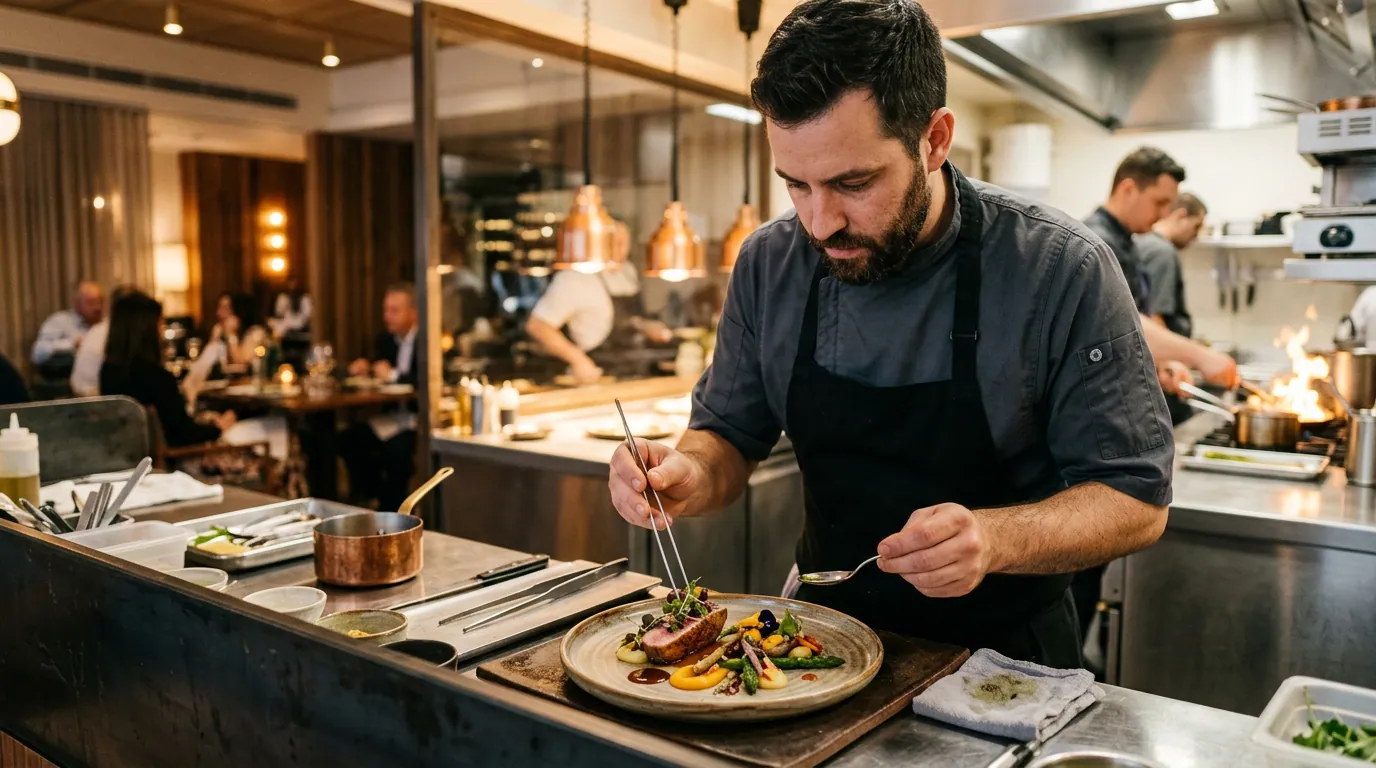
Restaurant manager optimizing reservation flow and guest experience in an upscale dining environment

Online challenges for Restaurants

The biggest leak appears when booking-ready demand and casual comparison traffic share the same structure, copy, and budget logic.

Reservation, intro, and delivery intents need distinct entry points

Restaurant demand is fragmented by occasion, urgency, and platform behavior.

  • One generic page weakens conversion for all three intent clusters.
  • Intent-led pages increase booking and direct-order quality.
Map pack and reviews decide spontaneous visits quickly

Guests often choose from first impressions before checking full website detail.

  • Weak local trust cues reduce walk-in and reservation conversion.
  • Consistency across your Google profile, menu, and key pages is critical.

Menu pages underperform when not structured for search

Unclear taxonomy makes ready-to-buy dish and category searches invisible.

  • Structured menu architecture improves capture of specific dish and category searches.
  • Clear labels and structure lower quick exits and increase bookings.

Campaign spend leaks without occasion-based creative alignment

Lunch, dinner, event, and delivery moments demand different messaging.

  • Flat campaigns overpay for low-fit clicks.
  • Occasion-led targeting improves ROI and service mix quality.

How Google Ads solves this for Restaurants

We align Google Ads with booking-decision moments, clearer separation between comparison and purchase intent, and landing paths that calm hesitation earlier around occasion-driven dining demand and branded cuisine intro.

Booking-intent clusters separated from browsing

Hospitality spend disappears fast when late-stage booking demand shares copy with loose comparison traffic.

  • We split ready-to-buy occasion-driven dining demand and branded cuisine intro routes from softer intro terms before bidding decisions get blurred.
  • Packages, policies, and location proof repeat the same facts buyers later verify through menu highlights, guest reviews, and neighborhood fit.

Availability-safe geo and daypart controls

Good hotel or restaurant ads respect when the operation can actually win the booking.

  • Schedules, devices, and geography are tuned to opening hours, booking availability, and delivery radius, not to a generic always-on setup.
  • Budget moves toward the booking windows that still hold margin instead of feeding low-fit clicks all day.

Landing pages that calm booking hesitation

Ad clicks only matter if the page answers the last doubts before reservation.

  • Pages surface menu clarity, reservation flow, and guest-review confidence and practical stay details early, rather than hiding them below lifestyle filler.
  • Terms behind restaurant near me and tonight reservation searches queries are matched to the exact next step that makes sense for the guest.

Reporting tied to reservation-quality demand

Hospitality dashboards should show whether paid search brings bookable demand, not just more sessions.

  • We separate assisted calls, direct booking signals, and low-fit enquiry volume in weekly reviews.
  • Scaling happens only where intent quality, occupancy logic, and margin still agree.

Execution process for Google Ads in Restaurants

01

Booking-intent demand map

We separate intro, comparison, and booking-heavy searches around occasion-driven dining demand and branded cuisine intro so campaigns stop treating every guest like the same click.

02

Availability-safe account build

Budgets, geo, devices, and schedules are aligned to opening hours, booking availability, and delivery radius before launch, so the account stays honest to real booking capacity.

03

Landing rollout for stay confidence

We ship pages that surface menu clarity, reservation flow, and guest-review confidence, policy clarity, and the next booking action where hesitation is most likely.

04

Reservation-quality optimisation

Weekly reviews cut weak traffic, compare booking-fit demand segments, and scale only where intent quality and margin still agree.

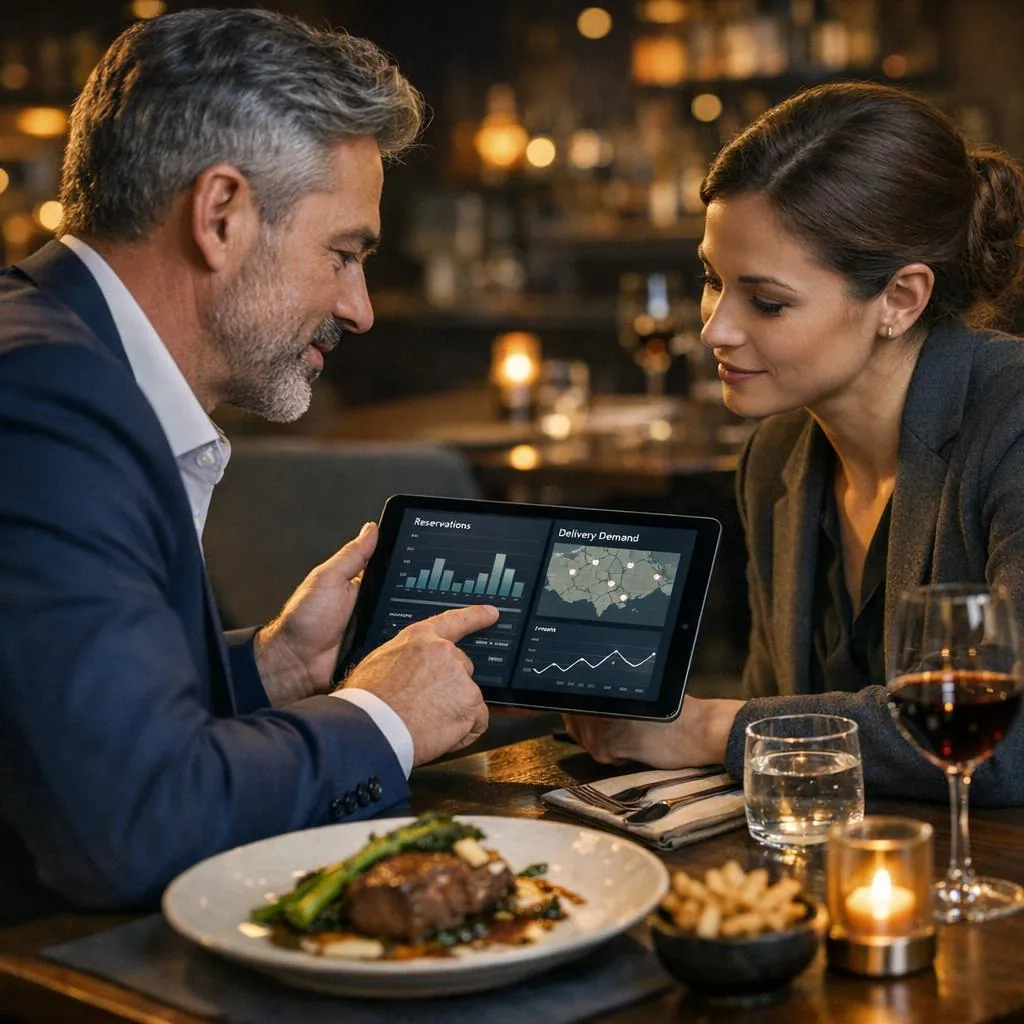
Restaurant service workflow scene with menu decision points, table booking path, and delivery coordination

How we measure results for Restaurants

Strong paid search brings more booking-fit demand, fewer empty clicks, and less spend wasted on traffic that never had a real reservation chance. Table bookings and delivery orders are different promises.

One sells a night out; the other sells speed and accurate menus.

193
% increase in qualified reservation and delivery leads
28
% higher booking-to-visit conversion rate
25
menu and occasion intent pages with positive movement (reservations + delivery)

Results from representative client programs. Outcomes vary by market, offer, and execution consistency.

FAQ

Answers for Restaurants owners considering google ads.

We separate booking-intent themes from softer comparison traffic around occasion-driven dining demand and branded cuisine intro, then give each cluster its own copy, negatives, and landing promise.

  • That stops paid search from paying premium CPCs for low-commitment research clicks.

Clear booking priorities, margin-aware blackout rules, access to past search term data, and proof you want repeated such as menu clarity, reservation flow, and guest-review confidence.

  • We also need honest operating limits tied to opening hours, booking availability, and delivery radius.

Query cleanup and landing alignment can improve efficiency within weeks, but the speed depends on seasonality, auction pressure, and how much booking friction the current pages still carry.

Ads, GBP, and landing pages repeat the same location logic, stay details, and proof.

  • If a local page claims menu highlights, guest reviews, and neighborhood fit, the ad cannot imply something broader or vaguer.

We tighten geography, timing, and query exclusions before scale.

  • If some booking windows strain operations or erode margin, we protect those constraints instead of chasing volume.

Usually yes.

  • Reservations need vibe, hours, and how to book a table.
  • Delivery needs menu accuracy, fees, and how fast you really arrive.
  • Splitting keeps reviews and ads aligned with reality.

Reservations, walk-ins, and delivery basics are in the FAQ section.

Restaurants + local FAQ

Ready to grow demand in Restaurants with Google Ads?

Share your goals and constraints. We will turn them into a practical Google Ads plan for Restaurants.