
Conversion Optimization for Restaurants

For Restaurants, CRO should shorten the path from comparison to booking, not just improve a spreadsheet metric.

We test hesitation points around occasion-driven dining demand and branded cuisine intro so guests see the trust and booking logic they need sooner.

View full Conversion Optimization service·Explore industries

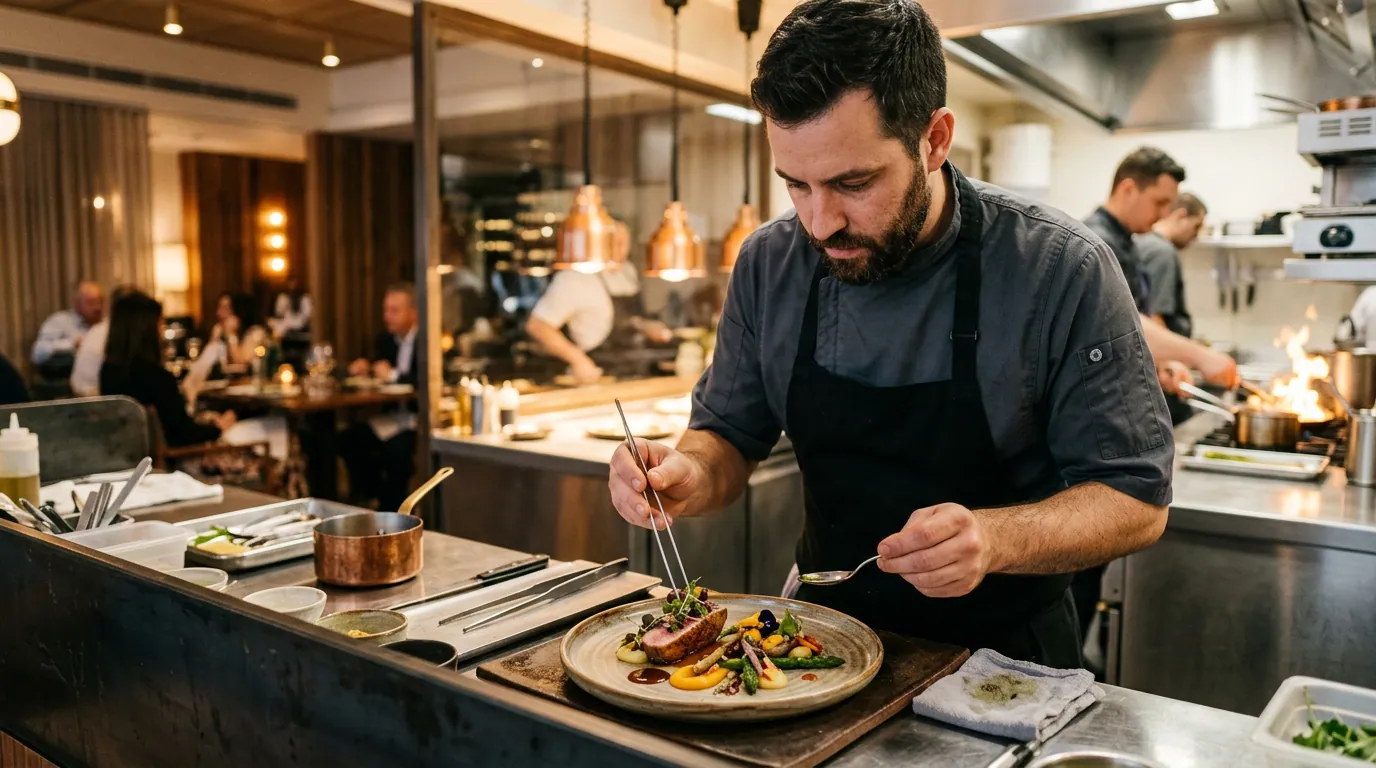
Restaurant manager optimizing reservation flow and guest experience in an upscale dining environment

Online challenges for Restaurants

The biggest losses come when guests hesitate at a key booking step and the page answers too late or too vaguely for the decision they are trying to make.

Reservation, intro, and delivery intents need distinct entry points

Restaurant demand is fragmented by occasion, urgency, and platform behavior.

  • One generic page weakens conversion for all three intent clusters.
  • Intent-led pages increase booking and direct-order quality.
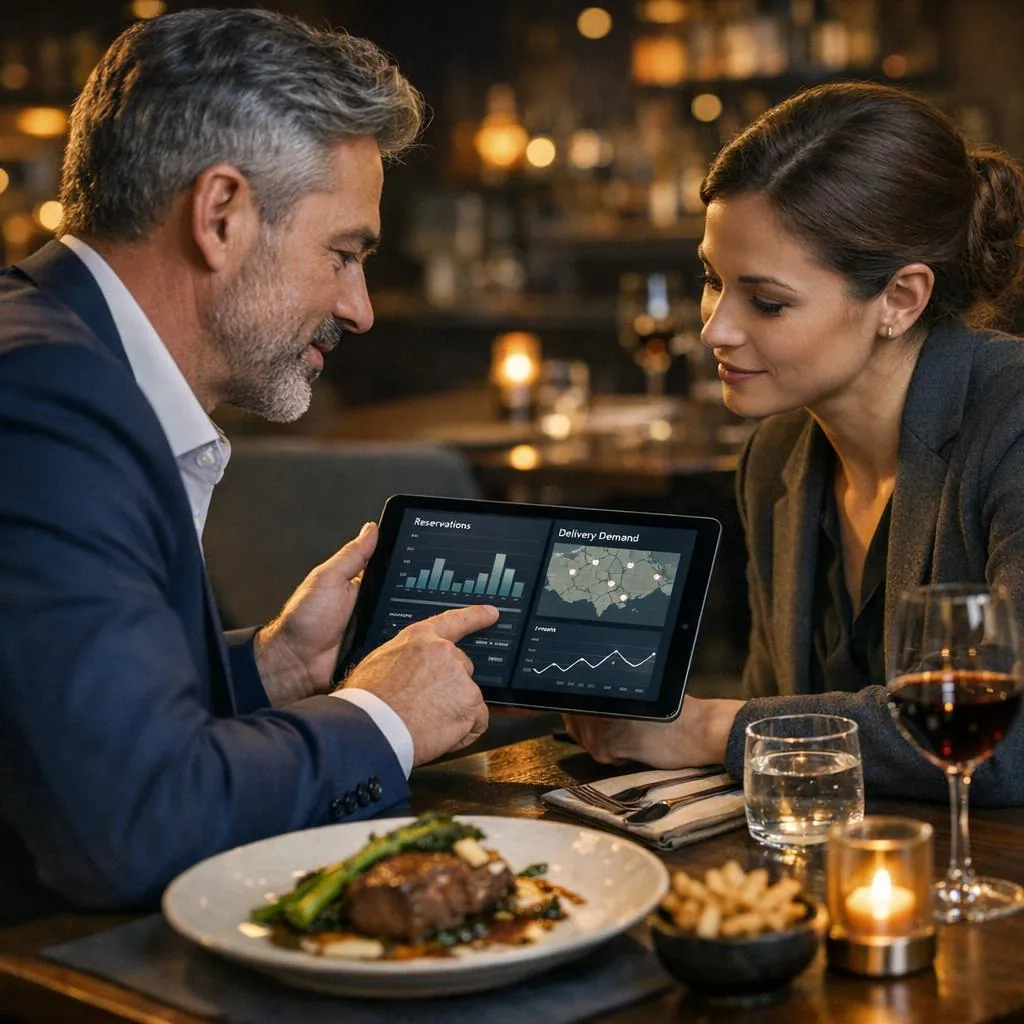
Map pack and reviews decide spontaneous visits quickly

Guests often choose from first impressions before checking full website detail.

  • Weak local trust cues reduce walk-in and reservation conversion.
  • Consistency across your Google profile, menu, and key pages is critical.

Menu pages underperform when not structured for search

Unclear taxonomy makes ready-to-buy dish and category searches invisible.

  • Structured menu architecture improves capture of specific dish and category searches.
  • Clear labels and structure lower quick exits and increase bookings.

Campaign spend leaks without occasion-based creative alignment

Lunch, dinner, event, and delivery moments demand different messaging.

  • Flat campaigns overpay for low-fit clicks.
  • Occasion-led targeting improves ROI and service mix quality.

How Conversion Optimization solves this for Restaurants

We align Conversion Optimization with booking-path tests, package comparison friction, and the mobile-first moments that shape decisions around occasion-driven dining demand and branded cuisine intro.

Booking friction on real decision paths

Hospitality CRO starts where comparison should become a reservation.

  • We inspect pages tied to occasion-driven dining demand and branded cuisine intro and identify where reassurance arrives too late.
  • Mobile booking hesitation gets first priority over decorative redesign work.

Experiments around guest hesitation

Good tests explain why a guest waits, abandons, or leaves to compare elsewhere.

  • Hypotheses name the guest segment, hesitation point, and policy or pricing guardrails.
  • Stop rules prevent the team from confusing seasonal noise with real wins.

Trust and booking logic near the action

The final click gets easier when key conditions are visible before the form.

  • We surface proof like menu clarity, reservation flow, and guest-review confidence beside booking decisions, not buried deeper in the site.
  • Rates, package logic, and stay limits appear where they reduce abandonment.

Operational adoption after the win

A test is wasted if the team cannot keep the gain during the next demand swing.

  • Winning patterns become documented defaults for booking paths and guest reassurance blocks.
  • Handoffs keep future changes aligned with the tested logic.

Execution process for Conversion Optimization in Restaurants

01

Booking-friction audit

We instrument the pages where occasion-driven dining demand and branded cuisine intro should turn into bookings or inquiries and locate where reassurance arrives too late.

02

Hypotheses by booking hesitation

Each test names the guest segment, the key hesitation point, and the guardrails around rate, policy, or package clarity.

03

Mobile-first experiment rollout

We ship variants with QA on mobile booking paths, forms, and tracking so comparison traffic gets cleaner next steps.

04

Win packaging for operations

Winning patterns become documented defaults the team can keep using through seasonal shifts, not one-off tests.

Restaurant service workflow scene with menu decision points, table booking path, and delivery coordination

How we measure results for Restaurants

Wins look like more progress into booking, fewer abandonments on key steps, and improvements the team can keep even when seasonality shifts traffic fast. Table bookings and delivery orders are different promises.

One sells a night out; the other sells speed and accurate menus.

193
% increase in qualified reservation and delivery leads
28
% higher booking-to-visit conversion rate
25
menu and occasion intent pages with positive movement (reservations + delivery)

Results from representative client programs. Outcomes vary by market, offer, and execution consistency.

FAQ

Answers for Restaurants owners considering conversion optimization.

On the pages where comparison should become a booking or inquiry.

  • We start where hesitation is already visible, especially on mobile booking paths and offer pages tied to occasion-driven dining demand and branded cuisine intro.

Usually reassurance, booking logic, package clarity, or next-step visibility.

  • Guests abandon when the site makes them work too hard to feel safe booking.

Long enough to include meaningful demand patterns for your booking cycle, not an arbitrary date on the calendar.

  • Seasonality and comparison behavior matter here.

That is not a win.

  • We use stop rules and quality checks so extra volume does not come at the cost of worse-fit bookings or more operational friction.

We document the new booking-path logic, hand it to the team, and use it as the default instead of leaving it as a temporary experiment.

Usually yes.

  • Reservations need vibe, hours, and how to book a table.
  • Delivery needs menu accuracy, fees, and how fast you really arrive.
  • Splitting keeps reviews and ads aligned with reality.

Reservations, walk-ins, and delivery basics are in the FAQ section.

Restaurants + local FAQ

Ready to grow demand in Restaurants with Conversion Optimization?

Share your goals and constraints. We will turn them into a practical Conversion Optimization plan for Restaurants.