
SEO for Restaurants

Organic demand for Restaurants often splits between occasion-driven dining demand and branded cuisine intro.

We build service-page architecture, technical SEO, and authority around menu clarity, reservation flow, and guest-review confidence so broader search demand lands on the right pages instead of collapsing into one generic offer.

View full SEO service·Explore industries

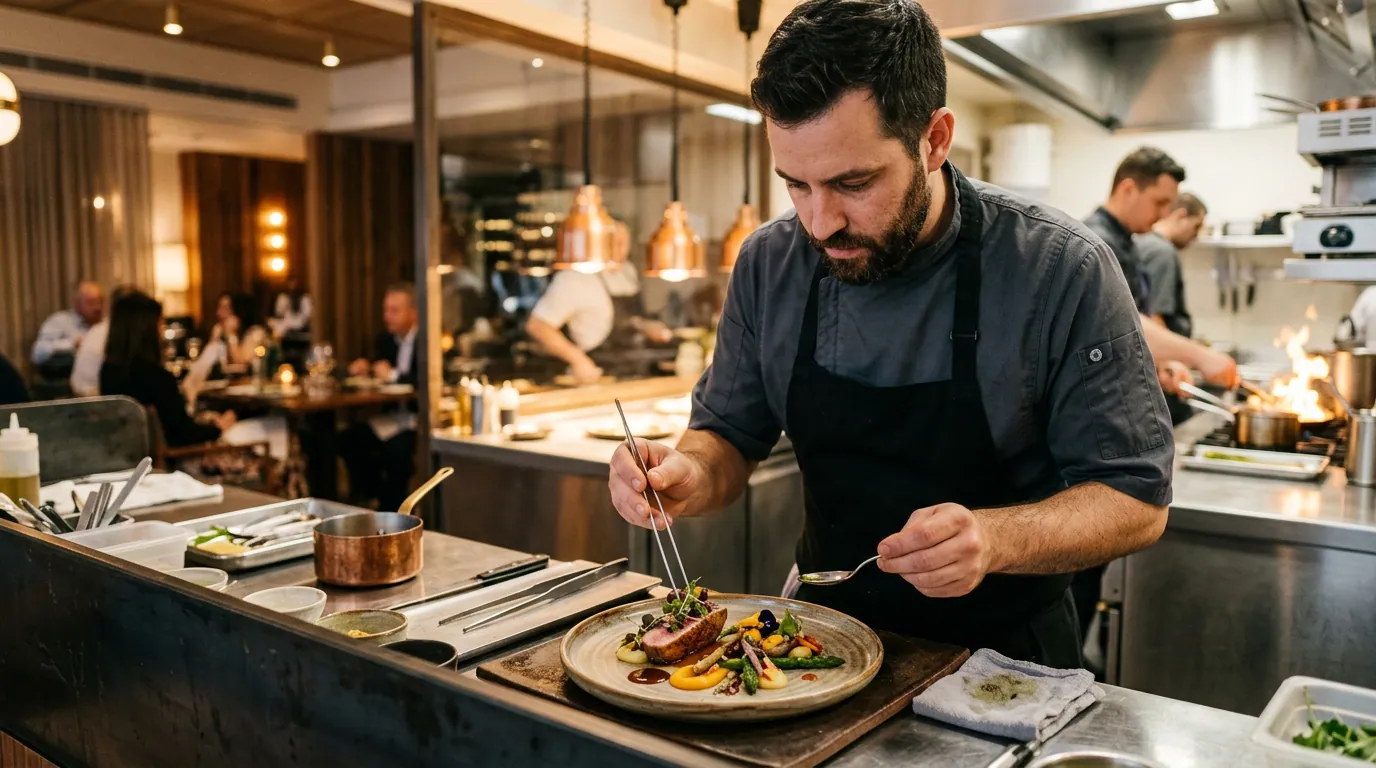
Restaurant manager optimizing reservation flow and guest experience in an upscale dining environment

Online challenges for Restaurants

Most SEO problems for Restaurants show up when one page tries to rank for occasion-driven dining demand and branded cuisine intro at once, while menu clarity, reservation flow, and guest-review confidence stays too thin to earn trust.

Those are the structural gaps we fix before talking about more traffic.

Reservation, intro, and delivery intents need distinct entry points

Restaurant demand is fragmented by occasion, urgency, and platform behavior.

  • One generic page weakens conversion for all three intent clusters.
  • Intent-led pages increase booking and direct-order quality.
Map pack and reviews decide spontaneous visits quickly

Guests often choose from first impressions before checking full website detail.

  • Weak local trust cues reduce walk-in and reservation conversion.
  • Consistency across your Google profile, menu, and key pages is critical.

Menu pages underperform when not structured for search

Unclear taxonomy makes ready-to-buy dish and category searches invisible.

  • Structured menu architecture improves capture of specific dish and category searches.
  • Clear labels and structure lower quick exits and increase bookings.

Campaign spend leaks without occasion-based creative alignment

Lunch, dinner, event, and delivery moments demand different messaging.

  • Flat campaigns overpay for low-fit clicks.
  • Occasion-led targeting improves ROI and service mix quality.

How SEO solves this for Restaurants

We align SEO with the searches Restaurants should win beyond proximity alone, turning occasion-driven dining demand and branded cuisine intro into clear page clear page role, supporting clusters, and commercial paths built around menu clarity, reservation flow, and guest-review confidence.

Separate occasion-driven dining demand and branded cuisine intro into dedicated organic paths

We stop one generic Restaurants page from trying to rank for everything at once.

  • Distinct organic routes for occasion-driven dining demand and branded cuisine intro make page clear page role clearer, improve internal linking, and let broader search demand land on the page that actually fits the visitor's job.

Turn menu clarity, reservation flow, and guest-review confidence into ranking proof

Broader SEO for Restaurants needs more than keywords.

  • We turn menu clarity, reservation flow, and guest-review confidence into headings, supporting sections, FAQ coverage, and trust blocks so Google and buyers both see why your business deserves higher-value clicks.

Technical SEO that protects page clear page role

Schema, crawl paths, internal links, and search-preview copy are shaped around occasion-driven dining demand and branded cuisine intro.

  • The goal is to strengthen the right pages, remove thin overlap, and stop your own URLs from competing for the same broader organic demand.

Keep broader SEO distinct from Local SEO

This layer is built for non-map demand and topic authority.

  • Local surfaces around restaurant near me and tonight reservation searches, plus GBP, review cadence, and service-area rules tied to opening hours, booking availability, and delivery radius, stay inside Local SEO so the two programs do not cannibalize each other.

Execution process for SEO in Restaurants

01

Organic demand audit

We review how Restaurants buyers search across occasion-driven dining demand and branded cuisine intro, then check where current pages overlap, under-explain menu clarity, reservation flow, and guest-review confidence, or send non-map demand into generic templates.

02

SEO information architecture

We decide which organic pages should own occasion-driven dining demand and branded cuisine intro, what supporting clusters reinforce menu clarity, reservation flow, and guest-review confidence, and where internal links must separate broader SEO from Local SEO.

03

Content, technical, and authority rollout

We ship page rewrites, schema support, crawl fixes, and authority assets that make menu clarity, reservation flow, and guest-review confidence visible in search. The rollout is tied to qualified broader demand, not cosmetic keyword stuffing.

04

Rankings, good-fit demand, and iteration

We measure whether stronger visibility for occasion-driven dining demand and branded cuisine intro brings better-fit inquiries, cleaner page clear page role, and compounding organic growth for Restaurants without drifting into Local SEO territory.

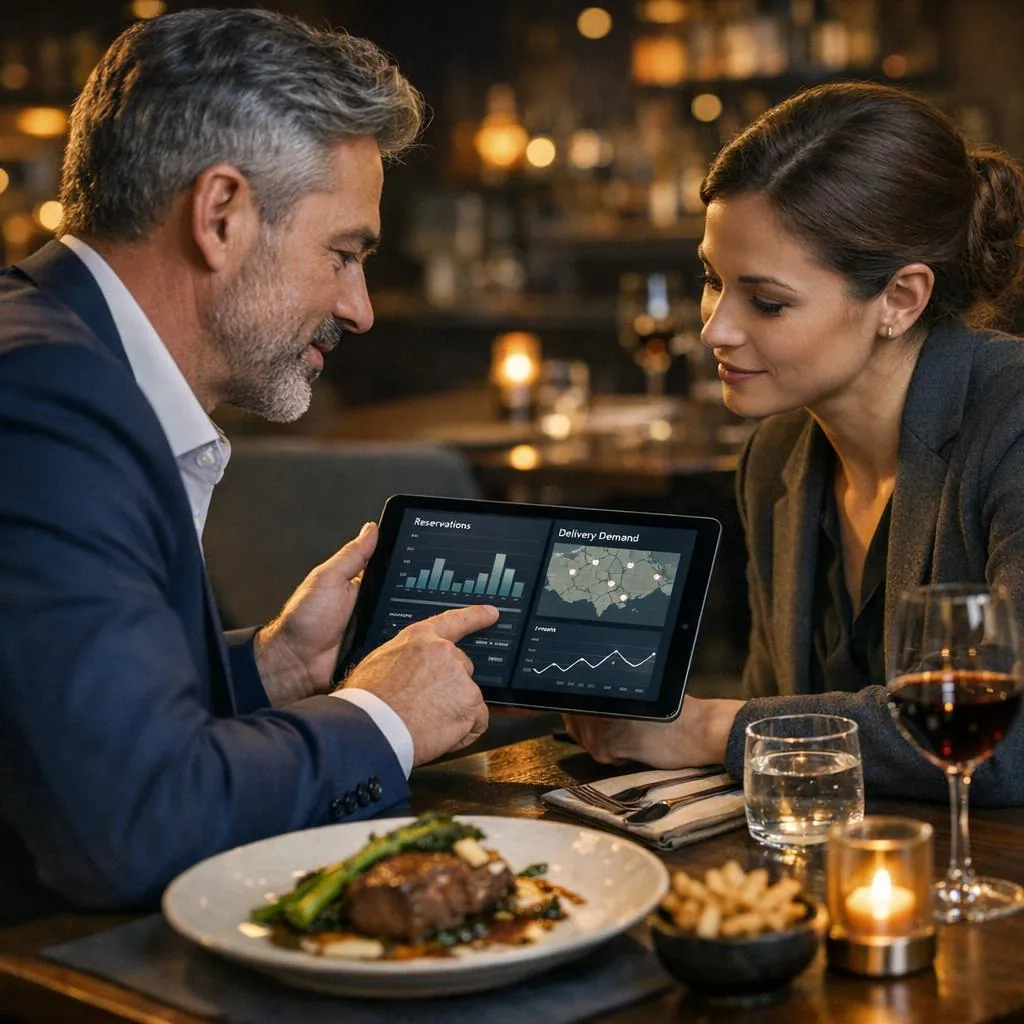
Restaurant service workflow scene with menu decision points, table booking path, and delivery coordination

How we measure results for Restaurants

Strong SEO here looks like better clear page role of occasion-driven dining demand and branded cuisine intro, stronger non-map demand, and clearer authority around menu clarity, reservation flow, and guest-review confidence. We measure that broader organic layer separately from Local SEO.

Table bookings and delivery orders are different promises. One sells a night out; the other sells speed and accurate menus.

193
% increase in qualified reservation and delivery leads
28
% higher booking-to-visit conversion rate
25
menu and occasion intent pages with positive movement (reservations + delivery)

Results from representative client programs. Outcomes vary by market, offer, and execution consistency.

FAQ

Answers for Restaurants owners considering seo.

This SEO page is about broader organic visibility for occasion-driven dining demand and branded cuisine intro, technical health, internal linking, and authority that ranks outside proximity logic.

  • Local SEO is separate, covering GBP, map-pack visibility, reviews, and service-area trust around restaurant near me and tonight reservation searches.

Usually yes.

  • Buyers compare different risk, timing, and proof across occasion-driven dining demand and branded cuisine intro.
  • Separate pages let us explain menu clarity, reservation flow, and guest-review confidence clearly, keep headlines honest, and stop one generic URL from cannibalizing the pages that should win qualified revenue searches.

Access to analytics and search data, a clear list of priority services or revenue lines, and one decision-maker for wording.

  • We also need the proof behind menu clarity, reservation flow, and guest-review confidence so the broader SEO layer is built on what your market will actually trust.

Cleanup, page clear page role, and technical fixes often move first.

  • Harder rankings around occasion-driven dining demand and branded cuisine intro take longer because authority and page depth must compound.
  • We separate those signals from map-pack movement so reporting stays honest.

We assign one clear organic job to each important page, split occasion-driven dining demand and branded cuisine intro where intent diverges, and keep Local SEO pages focused on restaurant near me and tonight reservation searches.

  • Separate purpose, separate internal links, and clear metadata reduce overlap.

Usually yes.

  • Reservations need vibe, hours, and how to book a table.
  • Delivery needs menu accuracy, fees, and how fast you really arrive.
  • Splitting keeps reviews and ads aligned with reality.

Reservations, walk-ins, and delivery basics are in the FAQ section.

Restaurants + local FAQ

Ready to grow demand in Restaurants with SEO?

Share your goals and constraints. We will turn them into a practical SEO plan for Restaurants.