
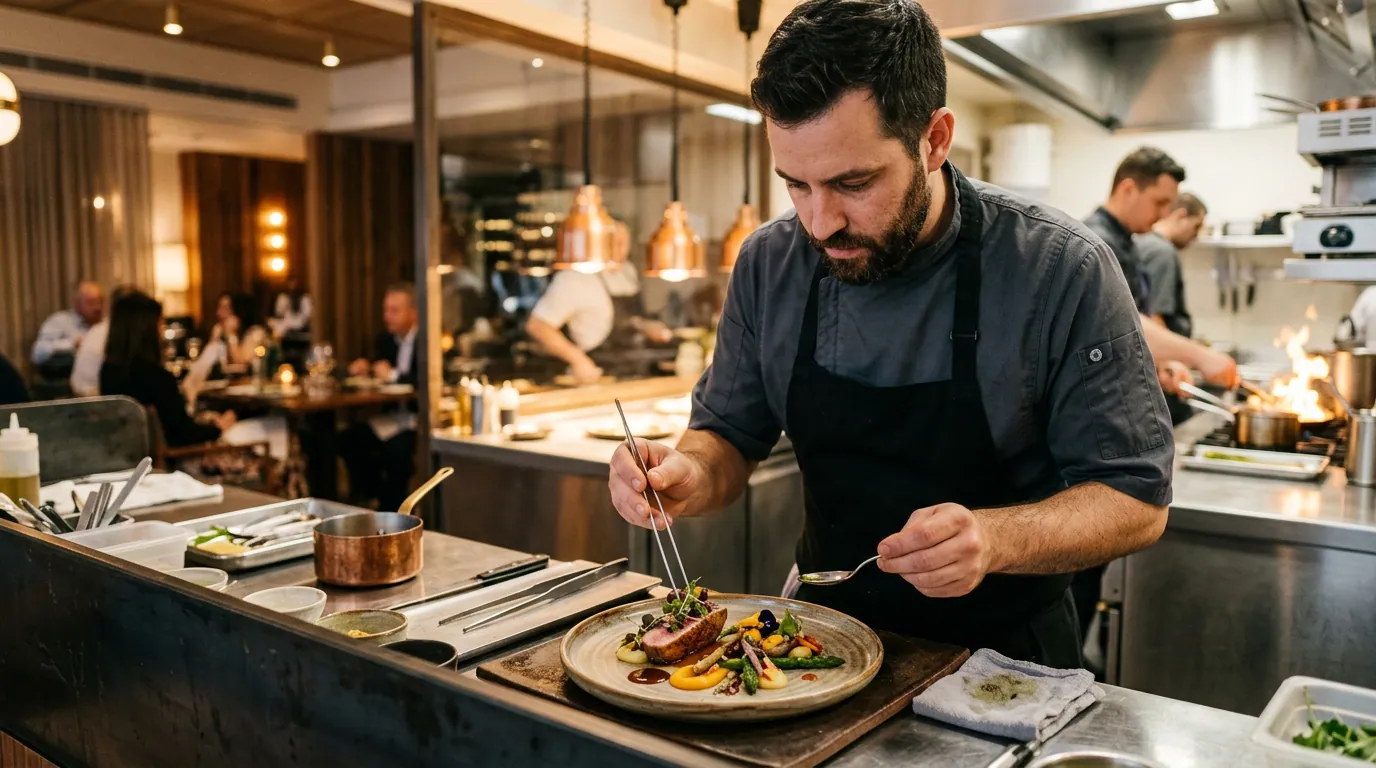
Website Development for Restaurants

For Restaurants, the site should shorten the path from inspiration or comparison into a reservation.

That usually means pages around occasion-driven dining demand and branded cuisine intro, earlier trust cues, and mobile booking actions that still respect opening hours, booking availability, and delivery radius.

View full Website Development service·Explore industries

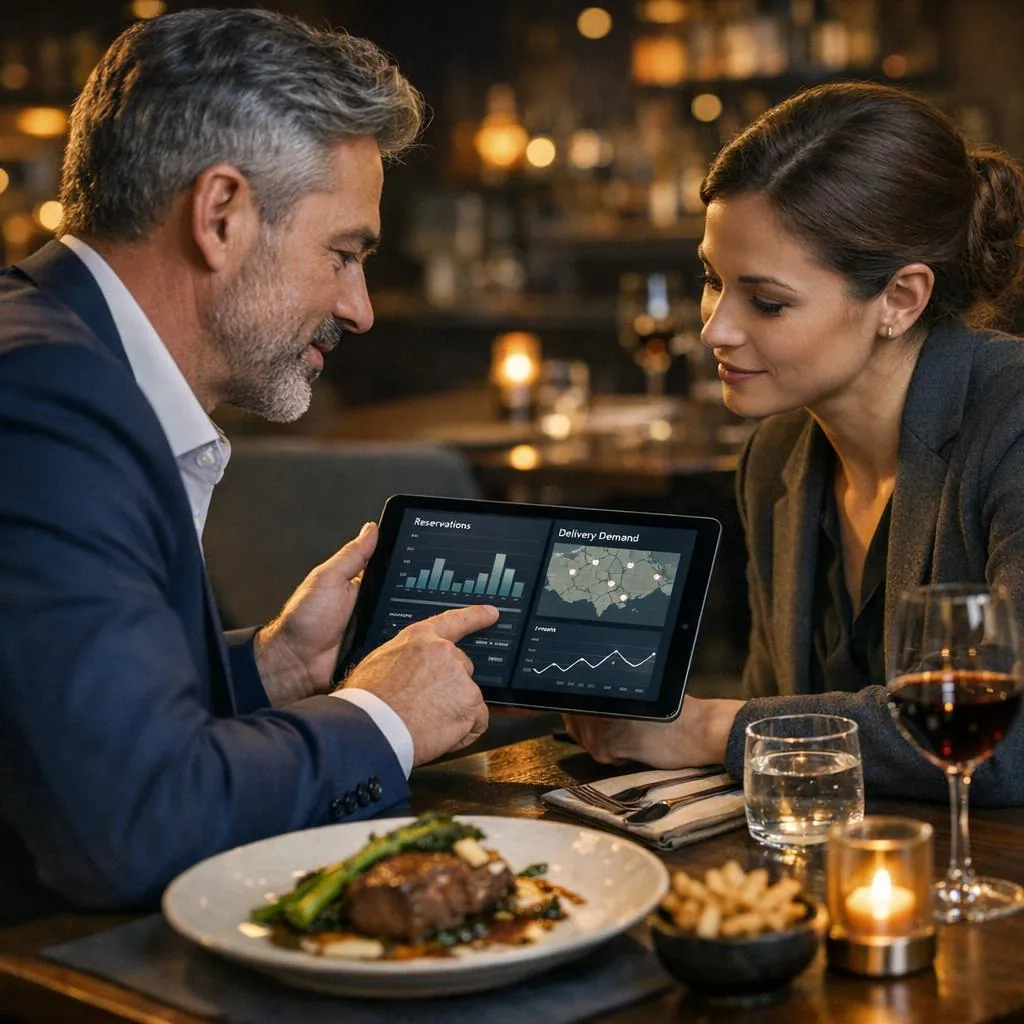
Restaurant manager optimizing reservation flow and guest experience in an upscale dining environment

Online challenges for Restaurants

The biggest drag is a site that looks polished but delays the exact guest answers needed before a booking decision can feel safe.

Reservation, intro, and delivery intents need distinct entry points

Restaurant demand is fragmented by occasion, urgency, and platform behavior.

  • One generic page weakens conversion for all three intent clusters.
  • Intent-led pages increase booking and direct-order quality.
Map pack and reviews decide spontaneous visits quickly

Guests often choose from first impressions before checking full website detail.

  • Weak local trust cues reduce walk-in and reservation conversion.
  • Consistency across your Google profile, menu, and key pages is critical.

Menu pages underperform when not structured for search

Unclear taxonomy makes ready-to-buy dish and category searches invisible.

  • Structured menu architecture improves capture of specific dish and category searches.
  • Clear labels and structure lower quick exits and increase bookings.

Campaign spend leaks without occasion-based creative alignment

Lunch, dinner, event, and delivery moments demand different messaging.

  • Flat campaigns overpay for low-fit clicks.
  • Occasion-led targeting improves ROI and service mix quality.

How Website Development solves this for Restaurants

We design Website Development around the booking path, earlier confidence-building, and modules that surface the stay facts guests need before they drift away.

Entry paths designed around booking confidence

Hospitality websites should move guests from inspiration or comparison into a clean reservation decision.

  • Ready-to-buy occasion-driven dining demand and branded cuisine intro pages surface proof, stay basics, and the next booking action before visual filler takes over.
  • Different visit motives get different paths instead of one generic brochure flow.

Trust modules that answer stay questions early

Guests hesitate when the site hides the practical details they need before committing.

  • We place menu clarity, reservation flow, and guest-review confidence, local context, and guest-facing facts where uncertainty peaks, not where a template leaves empty space.
  • Claims also stay aligned with what buyers later see around restaurant near me and tonight reservation searches.

Information architecture for offer and occasion

A hospitality site has to separate occasions, packages, and property fit instead of piling everything into one menu.

  • Navigation reflects how people compare occasion-driven dining demand and branded cuisine intro, not how departments name content internally.
  • Internal links help the guest move from intro into the right booking path with less friction.

Mobile performance tuned for the reservation moment

The mobile experience should remove hesitation, not introduce one more wait before booking.

  • We protect LCP, booking CTAs, and tap actions under the operating reality of opening hours, booking availability, and delivery radius.
  • Secondary scripts load only after the main reservation path is stable.

Execution process for Website Development in Restaurants

01

Reservation-path audit

We trace how occasion-driven dining demand and branded cuisine intro visitors compare, hesitate, and move toward booking so the site can support the real guest journey.

02

Offer and occasion architecture

Templates, navigation, and page clear page role are planned around stay motive, package logic, and the next booking action.

03

Build for mobile booking confidence

We implement speed budgets, proof placement, and booking-oriented modules that still respect opening hours, booking availability, and delivery radius.

04

Launch and reservation review

After launch we watch where guests abandon, which pages calm hesitation, and which paths deserve the next iteration.

Restaurant service workflow scene with menu decision points, table booking path, and delivery coordination

How we measure results for Restaurants

A stronger site shortens the route to booking, removes hesitation earlier, and helps the guest understand the next step without second-guessing. Table bookings and delivery orders are different promises.

One sells a night out; the other sells speed and accurate menus.

193
% increase in qualified reservation and delivery leads
28
% higher booking-to-visit conversion rate
25
menu and occasion intent pages with positive movement (reservations + delivery)

Results from representative client programs. Outcomes vary by market, offer, and execution consistency.

FAQ

Answers for Restaurants owners considering website development.

A clear booking path, fast mobile performance, and proof that reduces guest hesitation around occasion-driven dining demand and branded cuisine intro.

  • Decorative storytelling only helps after the booking basics feel trustworthy.

We separate intro pages from decision pages, then place practical proof, policies, and next actions where doubt naturally appears instead of hiding them below image-heavy sections.

Offer priorities, booking flows, guest-facing proof such as menu clarity, reservation flow, and guest-review confidence, good photography where it actually helps, and the operational rules behind opening hours, booking availability, and delivery radius.

We look at booking-path progression, abandonment on high-value pages, mobile completion quality, and whether key guest questions are answered sooner.

Maps and organic clicks should land on pages that repeat the same location truth and trust cues, including menu highlights, guest reviews, and neighborhood fit, rather than rewriting the story.

Usually yes.

  • Reservations need vibe, hours, and how to book a table.
  • Delivery needs menu accuracy, fees, and how fast you really arrive.
  • Splitting keeps reviews and ads aligned with reality.

Reservations, walk-ins, and delivery basics are in the FAQ section.

Restaurants + local FAQ

Ready to grow demand in Restaurants with Website Development?

Share your goals and constraints. We will turn them into a practical Website Development plan for Restaurants.