
Link Building for Veterinary Clinics

The links worth having for a veterinary clinic come from the shelters and rescue groups that send new owners to you after an adoption.

New owners keep that first recommendation for years, so a link from a shelter often brings an animal's whole life of visits, not one check-up.

See the full Link Building service·See what we offer veterinary clinics

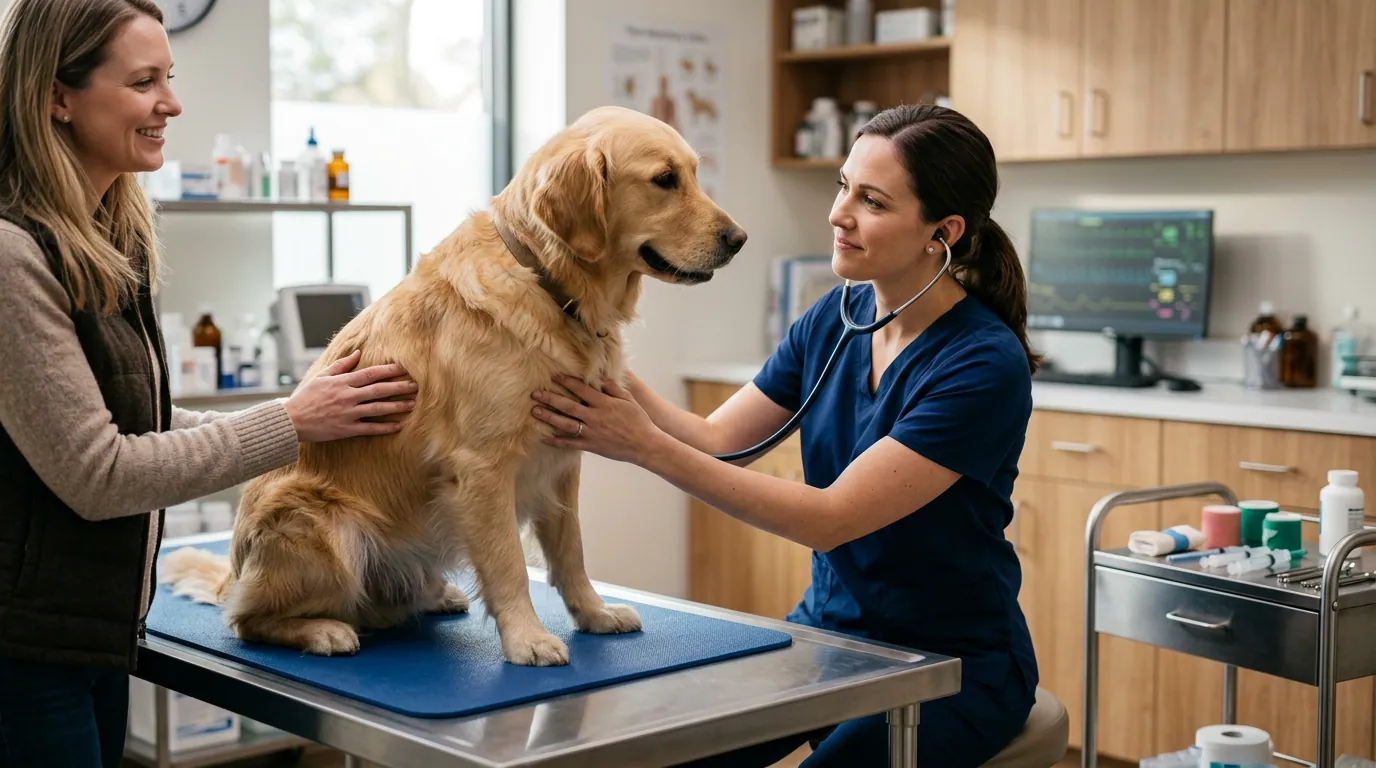
Vet talking with a pet owner in a clean, modern clinic

Online challenges for veterinary clinics

Generic pitches to editors and links aimed only at the homepage waste time, while the pages people actually check before they choose get nothing.

Local news links to the clinic's social page, not its site

When a paper writes about a rescued animal or a new vet, the link it adds usually points to a social media profile.

  • Readers who click find a feed of photos and no way to book.
  • The site, which needs those links most, gets none of them.
Charity walks and dog shows that thank the clinic without a link

Clinics often sponsor a charity walk, a dog show or a school visit, and the organiser's page thanks them by name only.

  • A reader who wants to find the clinic has to search for it, and may land on another one.
  • A request for a link to the clinic's page is rarely refused and almost never made.

Link Building approach for veterinary clinics

For veterinary clinics, we plan Link Building around sites that fit your topic, pages that earn clicks once the link is live, and a pace you can defend.

Shelters, rescue groups and breeders you already treat

Many clinics look after animals from a shelter or a rescue group, often at a reduced fee, and those groups tell every adopter where to go.

  • We ask them to name the clinic on the page for new owners, with a link to your page on the first check-up after adoption.
  • Breed clubs and responsible breeders do the same for puppy buyers, and their members read such lists closely.

The town hall, trainers and others who work with animals

Municipal pages on microchipping or neutering campaigns list the clinics that take part, and many of those lists are out of date.

  • We check each one for the right name, address and a link that leads to the page about that campaign.
  • Dog trainers, groomers and boarding kennels recommend a vet to their clients, and clinics that refer difficult cases to your specialist can name that vet on a referral page.

Advice pages worth citing: poisons, parasites, travel

A calm, signed list of foods and plants that are dangerous for dogs and cats is something schools, local media and pet bloggers refer to gladly.

  • We prepare a few such pages with your vets, add the rules for travelling abroad with an animal, and tell local editors that they exist.
  • We buy no places in pet directories, and any arrangement with a food brand is labelled as sponsored, so that no link pretends to be a recommendation.

Link Building process for veterinary clinics

01

Link audit

We check which sites link to you now, which links look doubtful and which of your pages deserve links first.

02

Who would link, and why

We list the businesses and organisations with a real reason to mention you, and the page each link should point to. For vets, we first make the clinic's name, address and opening hours match on every public list, so each new link points to details that agree.

03

Outreach and content

We contact them with something worth linking to, and we never buy links.

04

Checking each link

We check every new link, the visits it sends and whether the page it points to gains ground in search.

Price: link building for veterinary clinics from €400 a month plus VAT for the basic scope, three-month minimum. A wider scope is quoted after a free audit.

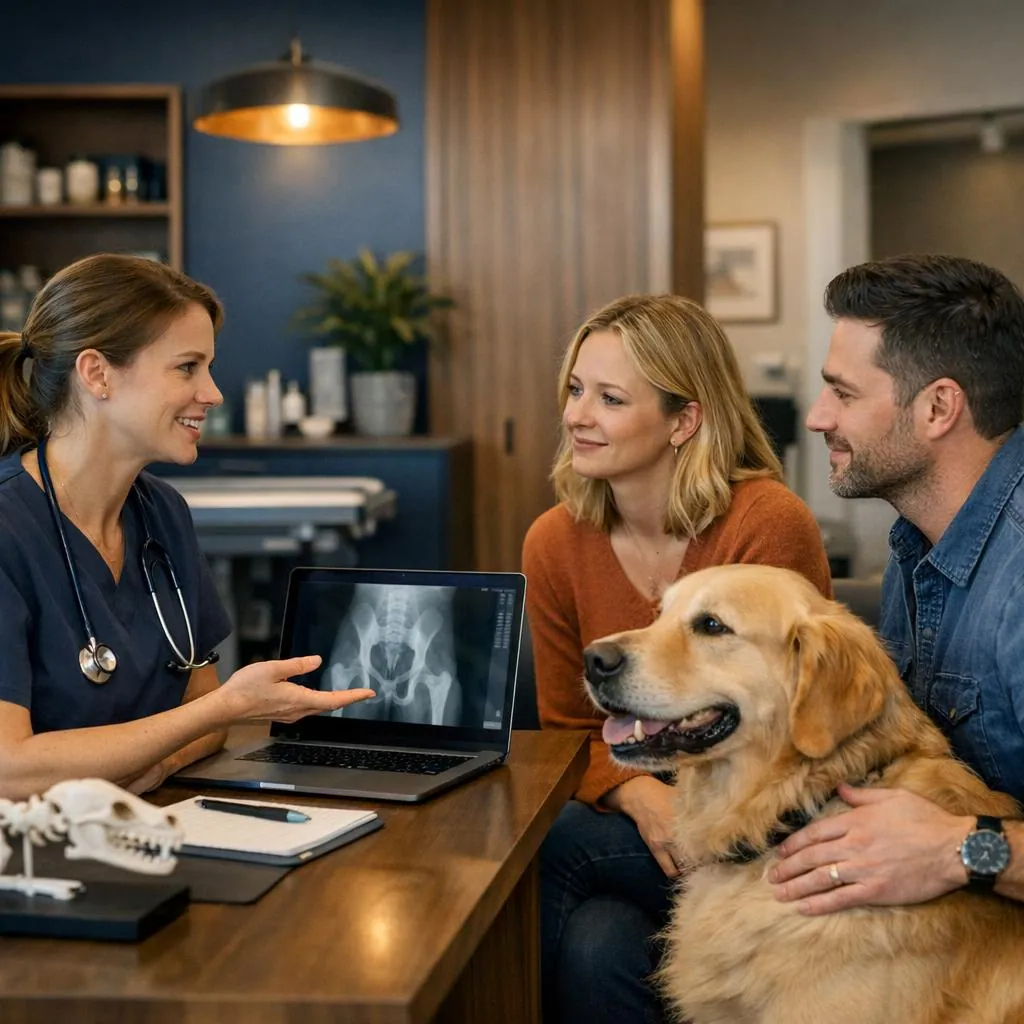
Vet examining an animal calmly and planning its treatment

How we measure results for veterinary clinics

We count links from rescue groups, trainers and local bodies, and check whether advice pages on poisons and parasites earn links on their own.

Questions about Link Building for veterinary clinics

Plain answers about Link Building, written for veterinary clinics.

Those who send animals your way anyway: shelters, rescue groups, breeders, trainers, groomers and the municipality when you take part in its campaigns.

  • The professional body of vets and societies of specialists keep registers as well.
  • Each of them wants its own readers to reach a clinic it trusts, which is why a polite request with the right page usually succeeds.

If you really stock the food, yes.

  • It is a true statement about the clinic, and it is read by owners who are looking for exactly that diet.
  • We ask that it leads to your page on nutrition advice and not to the home page.
  • On its own it changes little, and it should not be the only kind of link you have.

The one their own clients need next.

  • A shelter should lead to your page for newly adopted animals, a trainer to the page for puppies, and a referring clinic to the page of the specialist.
  • Someone who lands on the home page with a new dog on the lead rarely searches further.

Give the journalist something to point to.

  • A page on the subject of the season, signed by the vet who is quoted, makes a link natural, and we ask for it once the piece is out.
  • Quick answers matter as well, because editors return to the people who call back the same day.

General questions about Link Building, the same for every trade, are in our FAQ.

FAQ: Link Building

Need a growth plan for veterinary clinics?

Share your goals and constraints. We will turn them into a practical Link Building plan for veterinary clinics.