
SEO for Veterinary Clinics

SEO for veterinary clinics works on the care owners plan rather than the emergency: neutering, first jabs and dental work, which they read about and compare before booking.

Each procedure and each species you treat, rabbits and reptiles included, deserves a page that answers what owners would ask the desk.

See the full SEO service·See what we offer veterinary clinics

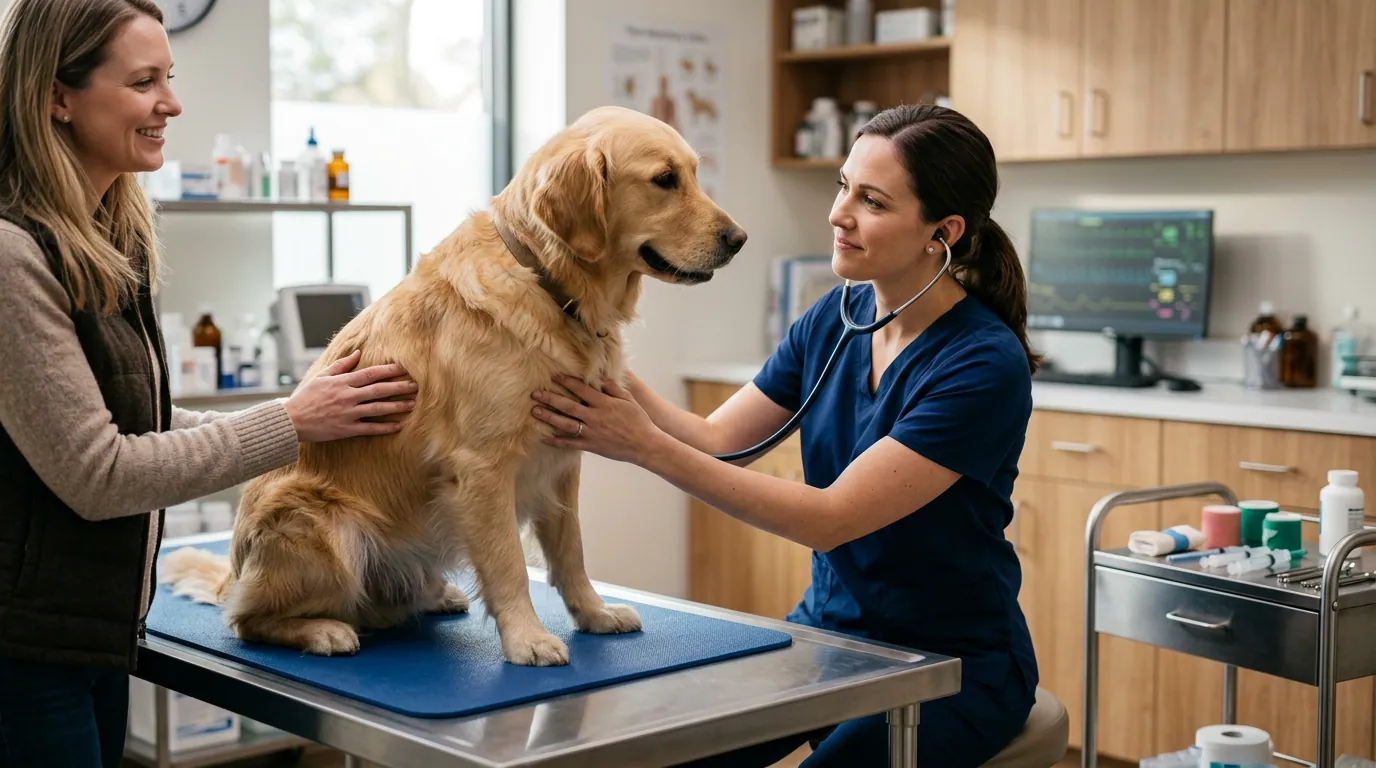
Vet talking with a pet owner in a clean, modern clinic

Online challenges for veterinary clinics

Emergency visits and routine care should not sound the same

A pet owner looking for urgent help behaves differently from someone booking a vaccine or check-up.

  • If both paths share one message, urgent cases hesitate and routine visits do not get clear booking steps.
  • Separate pages and buttons make the next step obvious for each type of visit.
Too many services on one page make the offer hard to understand

Surgery, diagnostics, preventive care and urgent help answer different questions.

  • One broad page makes it harder for Google and for pet owners to match the visit to the right service.
  • Clear service pages improve both visibility and the quality of enquiries.

Owners travel for a vet's skill and cannot find it described

For surgery, dental work or an unusual species, owners will drive further, but only to a clinic that says who has that skill.

  • A site that lists services without the vets and equipment behind them looks like every other practice.
  • Ticks, heat and fireworks bring the same questions every year, and answers published on the day arrive too late.

SEO for vets: planned care, searched long before the visit

Away from emergencies, pet owners plan. They read about neutering, vaccinations, dental cleaning under anaesthetic or a diet for an older cat, and compare clinics before they book.

  • The queries name the animal and the procedure: spaying a female dog, vaccinations for a kitten, an ultrasound for a rabbit. A page per procedure should say how to prepare the animal, how many hours it stays at the clinic, what the price includes and what home care looks like afterwards.
  • Owners of rabbits, birds or reptiles search by species, because not every clinic treats them. If you do, say so on its own page, with the vet who sees those animals.
  • The usual mistake is a price list as a file to download and not a word more about the procedures. We look first at which procedures have a page that answers what an owner asks on the phone.

SEO approach for veterinary clinics

We plan SEO for veterinary clinics page by page.

For each page we decide what it is for, which searches it answers and what a visitor has to see before getting in touch.

Guides by the age of the animal

An owner's questions change as the animal grows older, and each stage is its own group of searches.

  • A puppy or kitten page sets out the first vaccinations, worming, microchipping and the moment when neutering is usually discussed. A page for older animals covers check-ups, teeth, joints and the kidneys.
  • Each guide is checked by one of your vets and ends with the visit it leads to, so the reader knows what to book and roughly what it costs.

The vets and what each one does

Clinics differ most in their people and equipment, and owners travel further for a named skill.

  • Vets with a field of their own, such as cardiology, dermatology, orthopaedics or dentistry, get pages saying which cases they take and whether a referral from another clinic is needed.
  • Equipment is described by what it lets you do on the spot: X-ray, ultrasound, a laboratory with results the same day, a ward where an animal can stay overnight.

Seasonal worries, answered ahead of the season

Ticks in spring, heat in summer, fireworks at New Year: the same questions return every year.

  • Each seasonal topic has a lasting page, updated before the season and kept at one address, with the products and the visits your clinic actually offers.
  • Travel with a pet is planned too. Pages on the pet passport, the rabies vaccination and the checks before a journey abroad bring owners weeks before they leave.

This page is about search results outside the map. The map, your Google Business Profile and local searches, such as “vet near me” and same-day pet visit searches, have a page of their own: Local SEO for veterinary clinics.

SEO process for veterinary clinics

01

Search audit

We check which of your pages Google shows today, where two pages compete for one search and which searches have no page at all.

02

Page plan

We decide which page answers which search and how the pages link to each other, and you see the plan before anything is rewritten. For a vet, the plan sorts guides by life stage, from puppy and kitten care to older pets, and gives every vet a page that says what they do.

03

Content and technical work

We rewrite pages, add structured data (code that tells Google what a page is about) and fix what stops Google reading the site, in batches that can each be checked.

04

Measure and adjust

We follow which pages bring enquiries that fit, not only where they appear, and change the plan when the numbers say so.

Price: SEO for veterinary clinics from €550 a month plus VAT, three-month minimum.

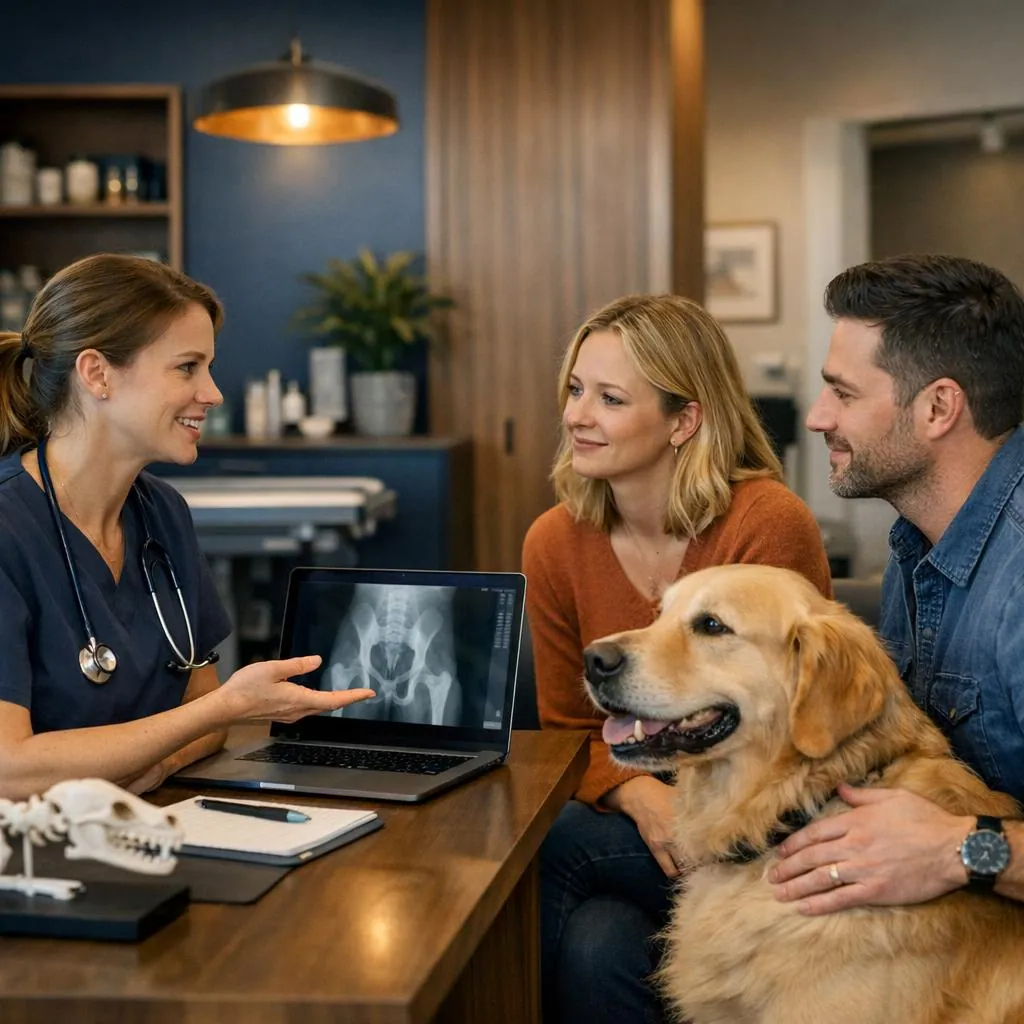
Vet examining an animal calmly and planning its treatment

How we measure results for veterinary clinics

We count appointments booked from the guide and service pages, and check whether seasonal guides, such as ticks in spring, bring visits ahead of the season.

20
service search themes with measurably higher positions

Example figure from client projects with veterinary clinics. Outcomes vary by market, offer and how consistently the plan is carried out.

Questions about SEO for veterinary clinics

Plain answers about SEO, written for veterinary clinics.

First signals usually come in 8–12 weeks: pages about procedures and species begin to appear in searches.

  • A clear effect usually takes 4–8 months and shows in bookings for vaccinations, neutering and dental work.
  • Emergencies follow a different path, since nobody reads a guide with a sick animal on their lap.

Yes, at least as a range with a note on what moves the price, such as the weight of the animal or the tests before anaesthesia.

  • Owners ring several clinics for exactly this, and the one that answers on its page is compared on more than the lowest figure.
  • Say what the price covers: the anaesthetic, taking out the stitches, the check-up afterwards.

It is an opportunity.

  • A calm page that explains, in the words of your vet, what is dangerous for a dog or a cat and what is a myth is what a worried owner hopes to find.
  • Each such page says when to come in at once, and gives no doses of human medicines.

One site is usually enough, with two clearly separate parts.

  • A farmer or a stable owner looks for visits on site, herd care and availability by phone, while a pet owner looks for a consulting room.
  • Each part needs its own pages and its own contact details, so neither reader has to wade through the other's.

Yes.

  • An emergency page needs the phone number first, what to do before you arrive and honest opening hours.
  • A page on preventive care needs vaccines, care plans and why regular visits matter.
  • Pet owners decide faster when the page fits their situation.

General questions about SEO, the same for every trade, are in our FAQ.

FAQ: SEO

Need a growth plan for veterinary clinics?

Share your goals and constraints. We will turn them into a practical SEO plan for veterinary clinics.