
Google Ads for Veterinary Clinics

Google Ads for veterinary clinics switches the emergency adverts off whenever no vet can see an urgent case, because that click is dear and a closed door helps nobody.

Planned care such as neutering and dental work has campaigns of its own, and searches for pet food or grooming are excluded.

See the full Google Ads service·See what we offer veterinary clinics

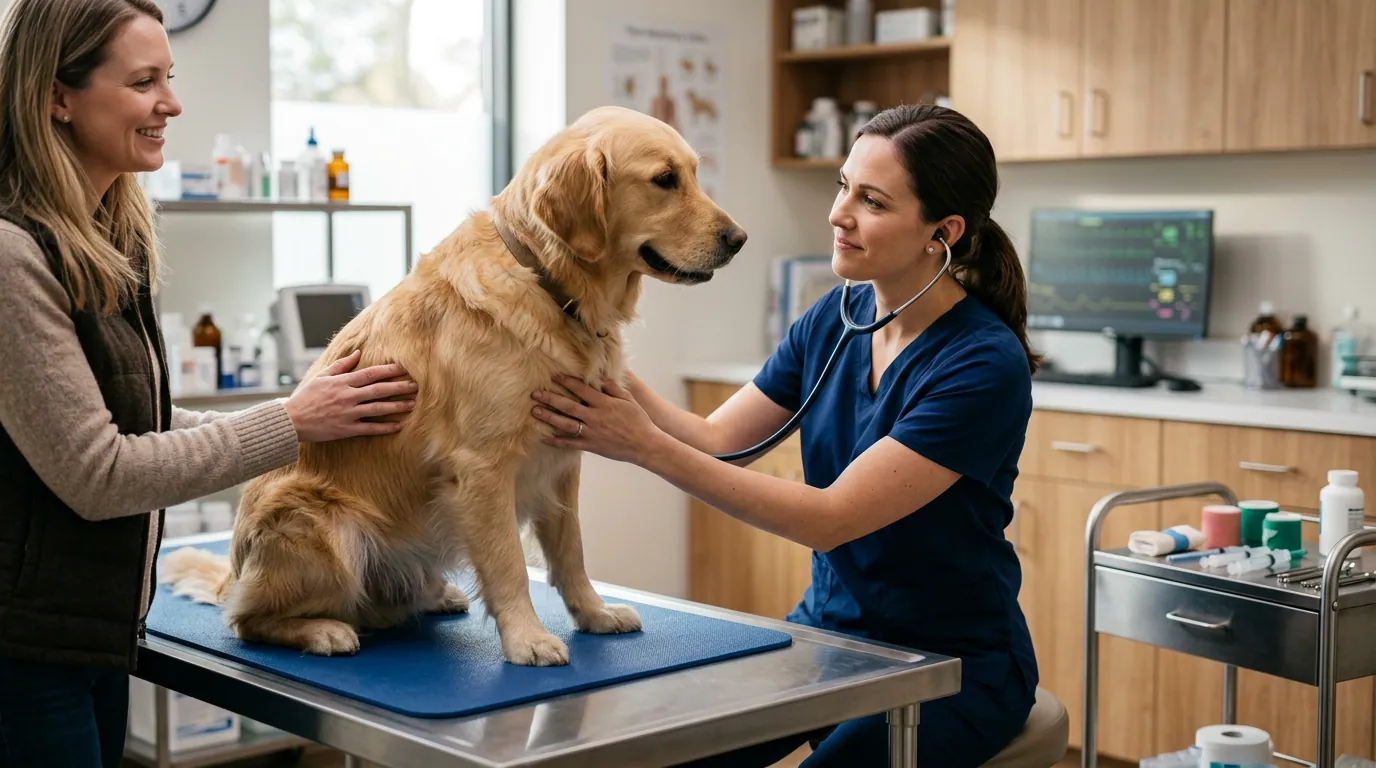
Vet talking with a pet owner in a clean, modern clinic

Online challenges for veterinary clinics

The usual leaks are urgent pet care and preventive health plans in one ad group and too few blocked searches.

Ad pages also hide vet profiles, clear emergency instructions and reviews from pet owners, and we fix all that before raising budgets.

Emergency visits and routine care should not sound the same

A pet owner looking for urgent help behaves differently from someone booking a vaccine or check-up.

  • If both paths share one message, urgent cases hesitate and routine visits do not get clear booking steps.
  • Separate pages and buttons make the next step obvious for each type of visit.
Emergency adverts running at night for a clinic that is closed

Emergency clicks are among the costliest a clinic pays for, and an advert shown after closing time sends a frightened owner to a recorded message.

  • Shoppers looking for pet food, grooming or home remedies click animal adverts too.
  • Neutering and dental work are compared calmly between clinics and need campaigns of their own.

Google Ads approach for veterinary clinics

For veterinary clinics, we build Google Ads with a separate campaign for each kind of search, a weekly check of the search terms, and pages that show the same proof as the ad.

Emergency adverts only in the hours you take emergencies

An owner who types emergency vet clicks the first advert and rings at once, so that click is dear and must lead to a clinic that can help.

  • These adverts show the phone number first and run only while you accept urgent cases. If there is no night duty, they are switched off at night and not left to collect angry calls.
  • The text of the advert states the hours and the animals you see, which spares the owner of a parrot or a horse a wasted call.

Planned care split by procedure and by species

Neutering, dental work and first vaccinations are searched calmly and compared between clinics.

  • Each has a campaign and a page that says what the price covers. First vaccinations for puppies and kittens get a generous share, because that owner may stay for the whole life of the animal.
  • Rabbits, birds and reptiles form a campaign of their own over a wider area, since few clinics treat them and their owners are ready to drive.

Nothing spent on pet shops, grooming and home remedies

Animal words pull in shoppers and people looking for free advice.

  • We exclude food and toys, grooming, boarding kennels, adoption, veterinary studies and jobs, and questions about what to give a dog at home.
  • Google restricts adverts for prescription medicines, for animals too, so we advertise the visit and never the drug. Before the tick season and before the summer holidays, when owners arrange travel papers, the budget moves to those visits.

Google Ads process for veterinary clinics

01

Searches worth paying for

We separate the searches that bring customers from those that only cost money.

02

Campaign build

We split the campaigns by service or offer and connect call, form and booking tracking before launch. For vets, the emergency adverts run only while someone can take an urgent case, planned care is split by procedure and species, and pet shop and grooming searches are excluded.

03

Landing pages

Each advert opens a page about what it promised, with the way to call or book in view.

04

Tuning

In the first weeks we move the budget towards the searches and adverts that bring enquiries, and switch off the rest.

Price: Google Ads for veterinary clinics costs €350 to set up and from €250 a month to manage, for ad budgets up to about €800 a month, plus VAT, three-month minimum. You pay Google directly; larger budgets are quoted.

Vet examining an animal calmly and planning its treatment

How we measure results for veterinary clinics

The campaigns are measured by what a booked appointment costs and what an answered emergency call costs, counted separately.

Questions about Google Ads for veterinary clinics

Plain answers about Google Ads, written for veterinary clinics.

First enquiries can come within days of the start, and calls about urgent cases are usually the earliest of them.

  • Tuning the account takes the first weeks, while we learn which searches end in a visit and which were only a question about price.
  • Planned procedures such as neutering fill more slowly, because owners compare several clinics before they choose.

Only in the hours when a vet can really see an urgent case the same day.

  • The advert says until what time you take such cases, and outside those hours it does not run at all.
  • A paid click that ends at a locked door costs twice: once for the click and once in what the owner tells others.

Yes, with a page that explains the price.

  • Owners who see what is included, from the tests before anaesthesia to pain relief and the check afterwards, compare more than the figure.
  • We do not chase the cheapest searches, and we watch how many of these owners return for vaccinations, since that decides whether the campaign pays for itself.

The species and procedures you want more of and those you refuse, the exact hours including urgent cases, and price ranges for the pages the adverts open.

  • We ask who answers the phone while the vets operate and how many operations a week you can add.
  • Calls and bookings are then counted for each campaign separately.

General questions about Google Ads, the same for every trade, are in our FAQ.

FAQ: Google Ads

Need a growth plan for veterinary clinics?

Share your goals and constraints. We will turn them into a practical Google Ads plan for veterinary clinics.