
Website Development for Fencing Contractors

A fencing contractor's website should open with the work itself, a full-width photo of a finished boundary, followed by the area you cover and the materials you install.

A rough price range, given before anyone drives out, saves wasted trips for both sides.

See the full Web Design and Development service·See what we offer fencing contractors

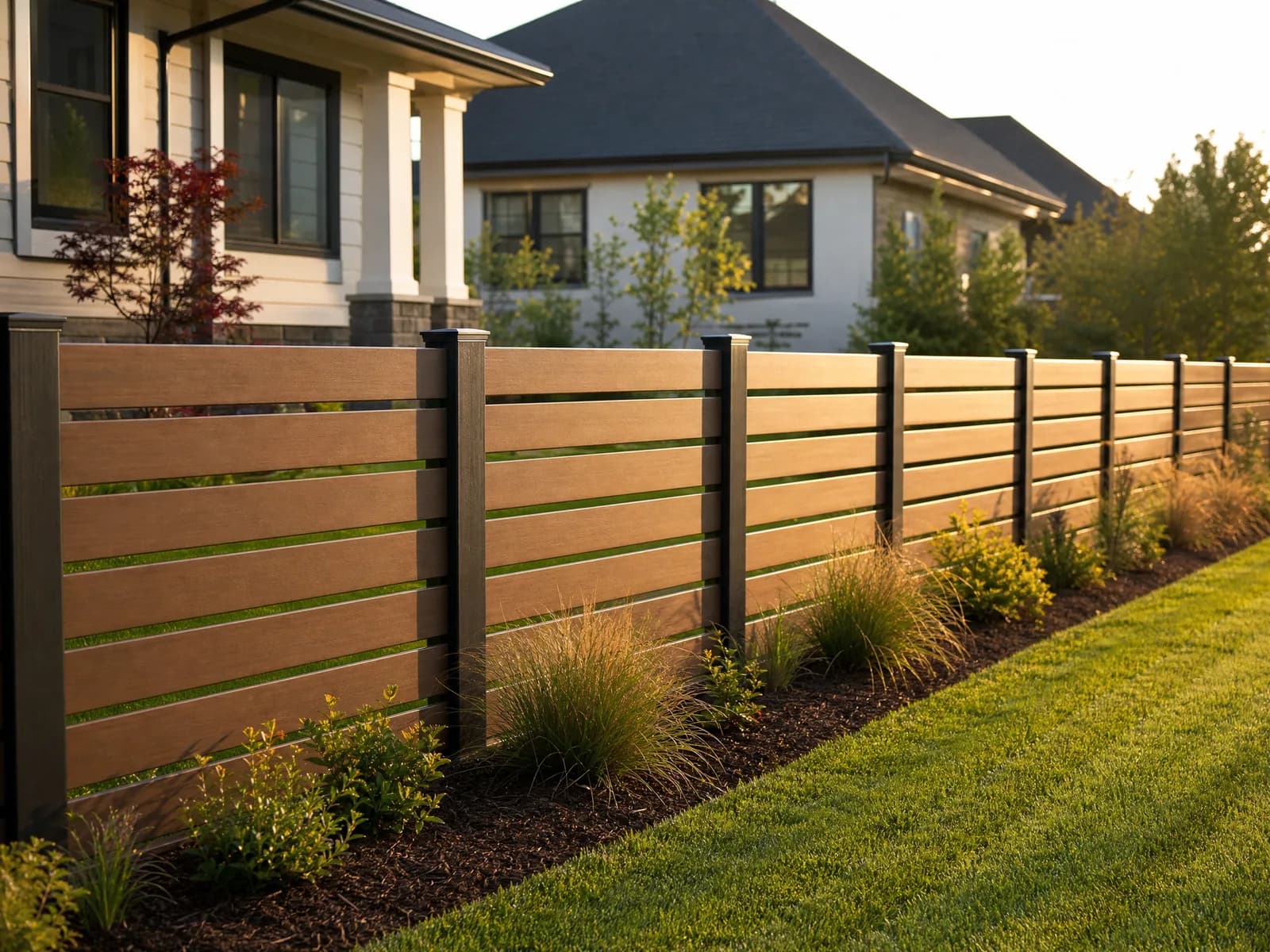
New fence of horizontal boards on dark posts along a planted border in front of a house

Online challenges for fencing contractors

Thin page templates, buried proof and forms that slow visitors down on a phone are what we fix before any talk of a redesign.

Installation and repair are two different searches

Someone planning a new fence and someone with a broken panel look for different things, and most sites send both to one page.

  • A new fence is a planned purchase: people compare materials, look at finished work and ask for a quote.
  • A repair is small and often urgent: people want to know whether you take the job and how soon you can come.
The material decides, and few pages explain it

Wood, composite, metal, vinyl or panels: the choice of material shapes the whole decision.

  • A page for each material, with photos of your own work, answers the question people ask first.
  • Without it they find the answer on someone else's site.

Every visitor wants a rough price, and the site offers only a visit

People planning a fence want to know whether it fits their budget before anyone comes out.

  • A page that only offers a site visit sends many of them to a firm that explains how the price is built.
  • Close-ups of panels on the first screen hide what people judge a fence by: a whole run seen from the street.

Web Design and Development approach for fencing contractors

For fencing contractors, we plan the site around the paths that matter most, with proof next to each decision and the most urgent action placed first.

A first screen that shows a whole run, not a logo

A fence is judged by eye, so the phone screen opens with one wide photo of a finished boundary and three plain facts.

  • Those facts are what you build, where you work and how to ask for a site visit, with the button within reach of a thumb.
  • Directly below come the routes a visitor takes: fences by material, gates and automation, and repairs, each with its own page pattern.

A rough estimate before anyone drives out

Every fencing customer wants a number early, and every fencer knows a real one needs a visit.

  • We build a simple estimator: the visitor enters the rough length, picks a material and a height and says whether an old fence has to go, and receives a range with the note that the site visit fixes it.
  • The same entries travel with the enquiry, so the person who rings back already knows the size of the work.

Photos and facts we collect from the owner

The site stands on pictures taken from the street when the ground is tidy again.

  • We ask for whole runs and gates, a few close-ups of posts and fixings, and for each fence the town, the material and the height.
  • Before launch we need your minimum order, the area you cover, the written warranty and the makes of gate motor you fit, and we check on mobile data that the gallery opens quickly.

Web Design and Development process for fencing contractors

01

Brief and material

We agree what the site has to do and collect what we need from you: photos, facts and the questions customers ask.

02

Structure and design

We plan the pages in the order a visitor decides and design the phone screen first. On a fencer's site the opening photo is a whole length of fence in a real garden, and a rough estimate by length and material comes before anyone drives out.

03

Build and launch

We build a fast site, redirect old addresses so nothing is lost and test every form and call button before launch.

04

After launch

We watch which pages lead to enquiries and fix whatever slows visitors down.

Price: a website for fencing contractors with 1–3 pages starts at €650, and a company website with 5–7 pages at €1,300, plus VAT.

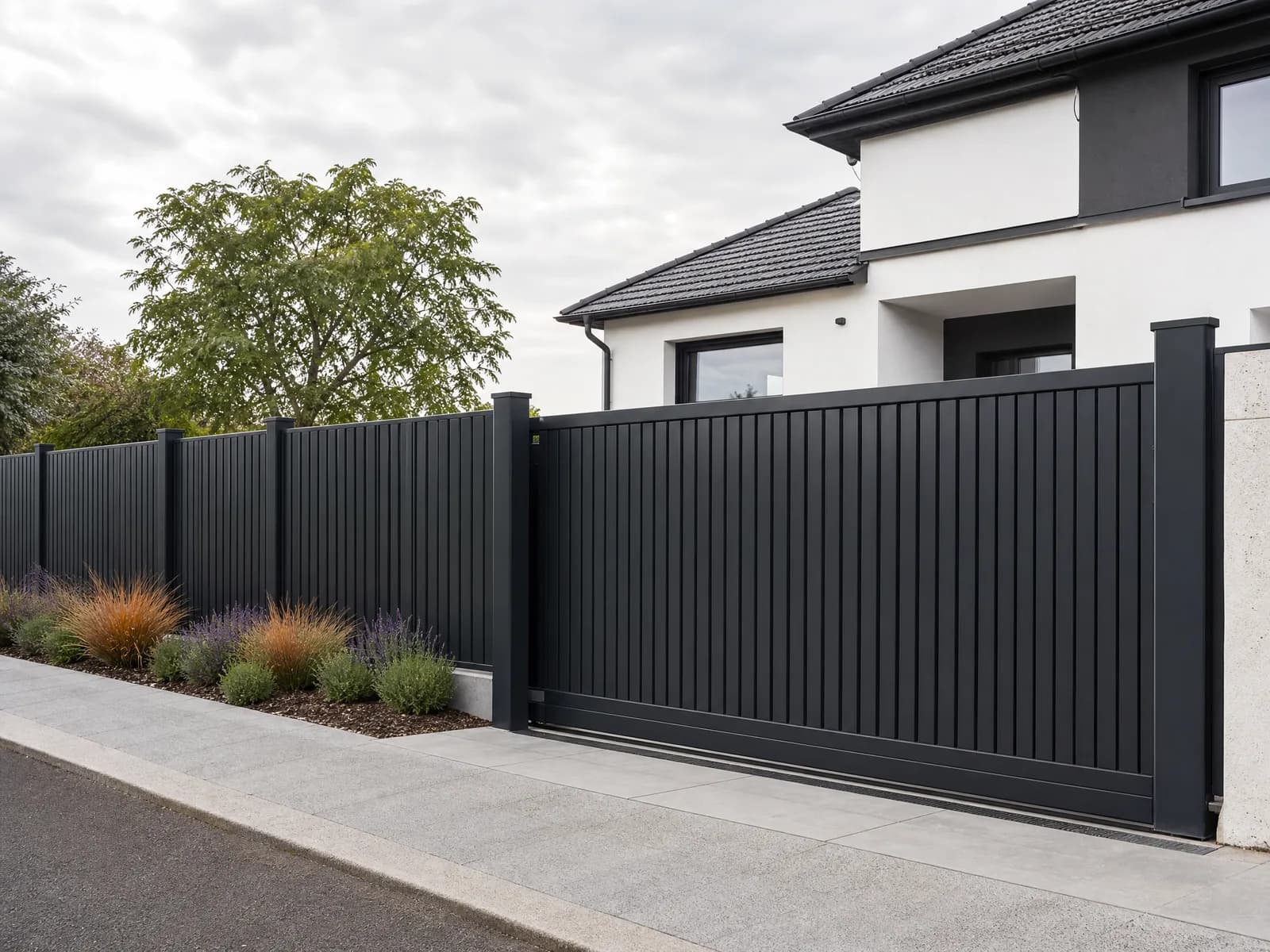
Dark grey metal fence with a sliding driveway gate in front of a modern house

How we measure results for fencing contractors

We count estimate requests that arrive with a length and a material, and how many of them lead to a booked site visit.

Questions about Web Design and Development for fencing contractors

Plain answers about Web Design and Development, written for fencing contractors.

It is safe when it gives a range and says what can move it: slope, rock, access for machinery and gates.

  • The wording next to the result states that a fixed price follows the site visit.
  • In return you receive enquiries that already include length, material and height, and fewer calls from people whose budget was never close.

By material first, then by type of plot: a terraced garden, a corner plot on a slope, a farm entrance.

  • A visitor looks for a fence like the one they imagine, on ground like theirs.
  • Each photo carries the material, the height and the town in text, because a picture without a caption answers nothing.

In the quiet part of the fencing year.

  • A standard site is built in 4–8 weeks, and the owner has more time for photos and decisions when the crews are not out every day.
  • A site that opens at the end of winter meets the first people measuring their plots, instead of being finished in the middle of the season.

Yes, as a section with pages of its own.

  • Gate buyers ask other questions: sliding or swinging, power to the post, the motor, the intercom and what happens in a power cut.
  • They should be able to reach those pages directly from the menu and from every fence page, since many fences end in a gate.

General questions about Web Design and Development, the same for every trade, are in our FAQ.

FAQ: Web Design and Development

Need a growth plan for fencing contractors?

Share your goals and constraints. We will turn them into a practical Web Design and Development plan for fencing contractors.