
Conversion Rate Optimisation (CRO) for Fencing Contractors

On a fencing contractor's site, one question stops most enquiries, and conversion work answers it up front: are you within my budget, or will a salesman come round to tell me?

A rough price range for each material, beside a form simple enough to complete on a phone in the garden, removes that doubt.

See the full Conversion Optimisation service·See what we offer fencing contractors

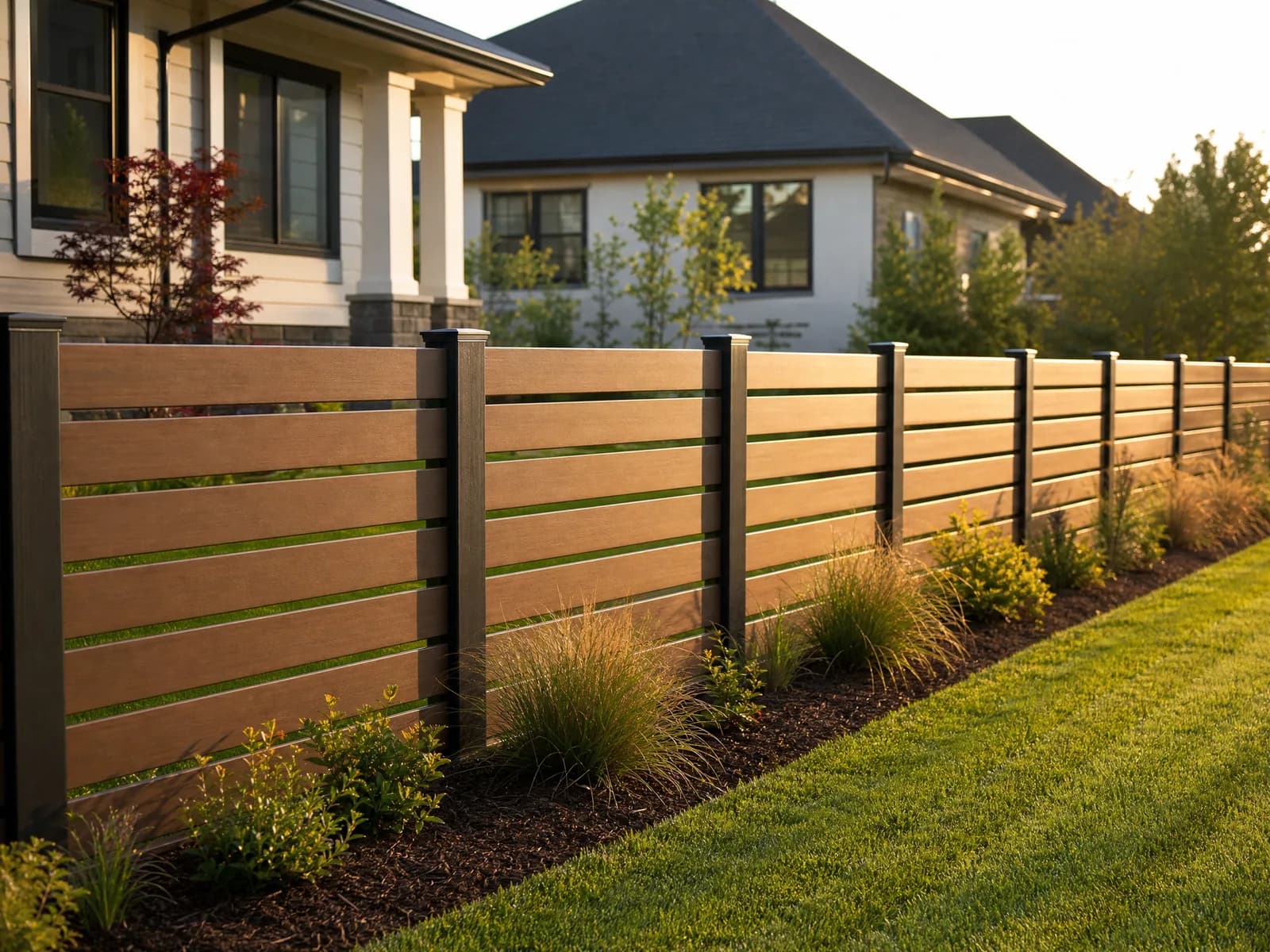
New fence of horizontal boards on dark posts along a planted border in front of a house

Online challenges for fencing contractors

Hidden fees, vague timelines and weak buttons on mobile are the usual culprits, long before any elaborate testing is needed.

A real quote needs a site visit

The price depends on the length of the fence, the ground and the access, so it cannot be given from a form alone.

  • The goal of the page is a booked site visit, not a pile of forms with no address.
  • Asking for the rough length, the material and the town up front saves a wasted trip.
Proof hidden in a paragraph far below the gallery

People judge fencing by eye first and read second, so reviews and warranty details set in text far below the photos are missed.

  • A short line of proof under each photo reaches the visitor where they already look.
  • A form that needs a desk to fill in loses the owner pacing the boundary with a phone.

Conversion Optimisation approach for fencing contractors

For fencing contractors, we test one clear idea at a time on the pages where people are closest to getting in touch, state your limits more clearly and shorten the path for visitors who are ready to act.

The fear of a price that only appears after the visit

A visitor on a fencing page hesitates because they cannot tell whether the firm is in their range, and nobody likes inviting a salesman to find out.

  • Beside the request button we say what a site visit is: free or charged as stated, how long it takes and that a written quote follows without obligation.
  • A starting price for the most common fence, with what it includes, stands on the page for each material, so the visitor can judge before asking.

Proof placed where the eye already is

Visitors to fencing pages look at photos first and read second.

  • Under each gallery photo we put the facts a doubter wants: the material, the height, the length of the run and how many days the crew was on site.
  • The warranty on posts and panels and a sentence on how the ground is left stand next to the form, because rot and mess are two worries owners keep naming.

A form a person can fill in standing in the garden

Most requests are started outside, on a phone, while pacing the boundary.

  • The form has few fields, accepts a length given in steps or metres, lets photos be attached straight from the camera and never asks for an exact address at this stage.
  • With few visits to the site we judge each change over a full stretch of comparable weather, by visits booked and by whether the fences ordered were of the size you want.

Conversion Optimisation process for fencing contractors

01

Where visitors stop

We look at where visitors leave and read the questions people ask by phone and email before they decide.

02

Doubts answered

We answer the main doubt next to the button and shorten the form or the booking path. For fencers, a price range per metre for each material sits beside the button, so nobody has to wait for a visit to learn the rough cost.

03

One change at a time

We change one thing at a time, because a small site has too few visits for quick tests.

04

Judging the result

We judge a change by the enquiries that follow, and undo it if it brings more enquiries of the wrong kind.

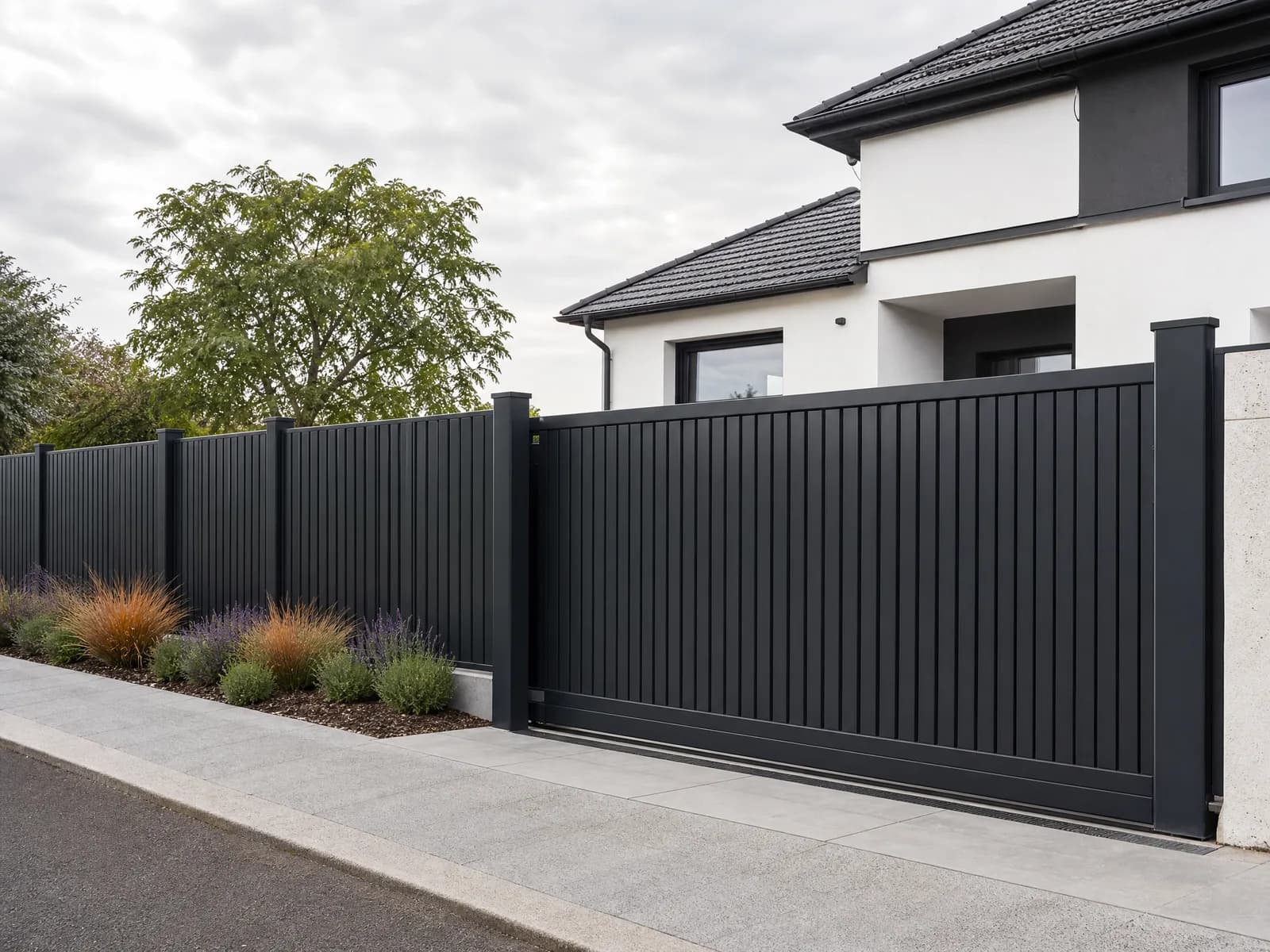
Dark grey metal fence with a sliding driveway gate in front of a modern house

How we measure results for fencing contractors

We count estimate requests per material page and read the season into every result, since spring and autumn bring most of the year's enquiries.

Questions about Conversion Optimisation for fencing contractors

Plain answers about Conversion Optimisation, written for fencing contractors.

On the material pages and the request form, viewed on a phone outdoors in daylight.

  • We check whether the button is visible without scrolling, whether a price is hinted at anywhere and whether the form can be completed without knowing exact measurements.
  • On a fencing site these three points are the usual reasons why a visitor looks at the photos and then leaves.

An honest comparison of materials within the page.

  • Say what this material costs relative to the others you build in, how long it tends to last and what care it needs, next to photos of your own work.
  • A visitor who understands why composite costs more than timber is ready to ask for a visit instead of searching further.

Usually not as a required field on a fencing form.

  • Many owners have no figure in mind and abandon a form that demands one.
  • An optional question with broad ranges works better, and the estimator on the page already tells them roughly where they stand.
  • What the form must ask is the town and the approximate length, since those two decide whether you can help.

For a fencing firm we count that as a failed change and adjust it.

  • Stating your minimum order near the button, and offering a separate short route for repairs if you take them, usually restores the balance.
  • Success is measured by site visits that led to quotes for the fences you want to build, not by the number of forms.

General questions about Conversion Optimisation, the same for every trade, are in our FAQ.

FAQ: Conversion Optimisation

Need a growth plan for fencing contractors?

Share your goals and constraints. We will turn them into a practical Conversion Optimisation plan for fencing contractors.