
Proof of safety is often too weak on the main pages
When a door fails, people think about risk before price.
- Without proof of safety, people hesitate or leave quickly.
- Clear words on safety steps and warranty build confidence.
Conversion work for garage door companies answers the fear that a cheap call-out fee hides a big bill at the door, by listing typical repair prices next to the button.
For new doors, a short survey request in place of a long quote form lowers the first step.
See the full Conversion Optimisation service·See what we offer garage door companies
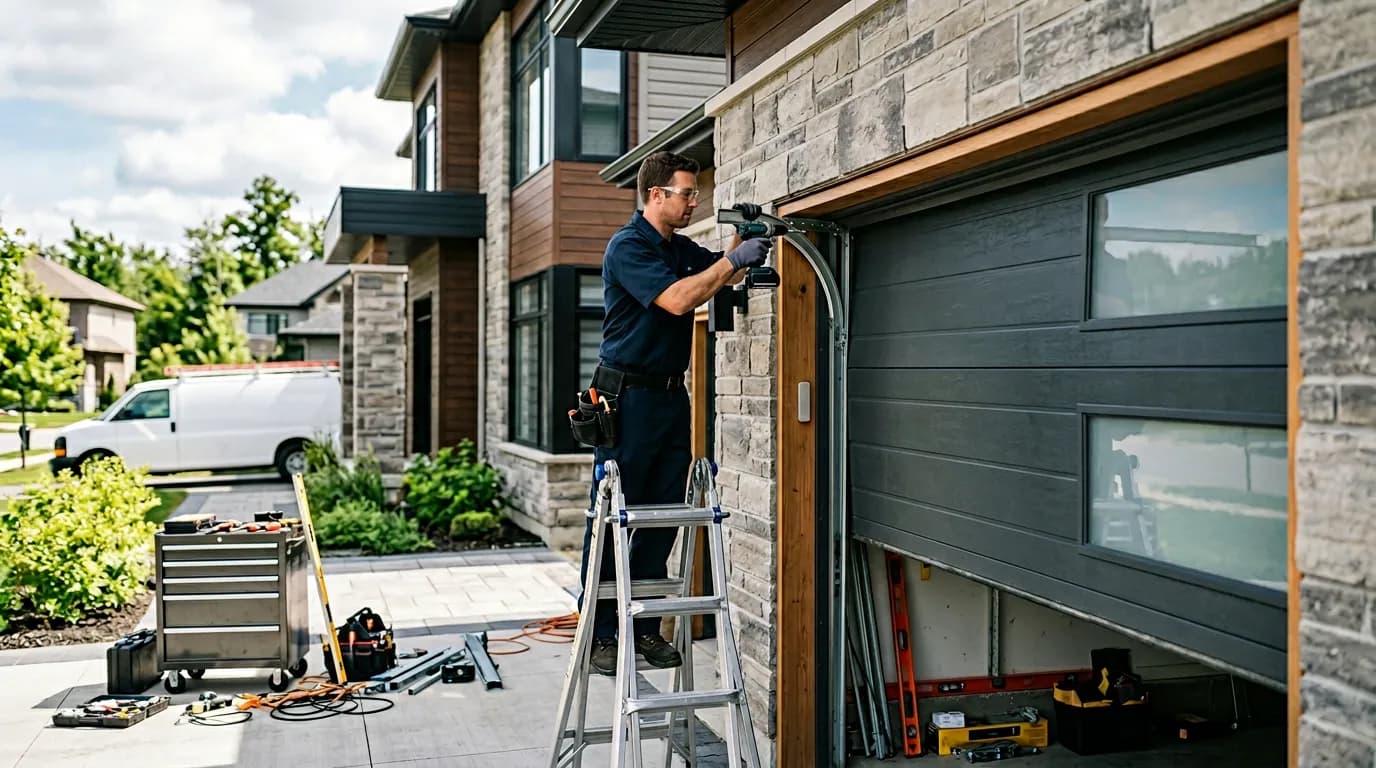
The biggest damage usually comes from simple obstacles on the way to a call or short form, especially when visitors in a hurry still have to guess whether you do the job.
When a door fails, people think about risk before price.
A stuck door is stressful and the decision is quick.
The worry behind most hesitation is a small call-out price that turns into a big bill after the inspection.
For garage door companies, we aim the tests at faster paths for visitors in a hurry: a simpler way to call, a shorter form and proof on the first screen.
Someone with a broken door fears one thing above all: a low call-out fee that turns into a large invoice once the technician has arrived.
A buyer of a new door stops at a form that asks for measurements they do not know how to take.
A door firm's site sees too few visitors to run two versions side by side and trust the difference.
We look at where visitors leave and read the questions people ask by phone and email before they decide.
We answer the main doubt next to the button and shorten the form or the booking path. For door firms, a plain note on call-out charges and on how a repair price is agreed before work starts goes beside the button, and the survey request is cut to a photo and a postcode.
We change one thing at a time, because a small site has too few visits for quick tests.
We judge a change by the enquiries that follow, and undo it if it brings more enquiries of the wrong kind.
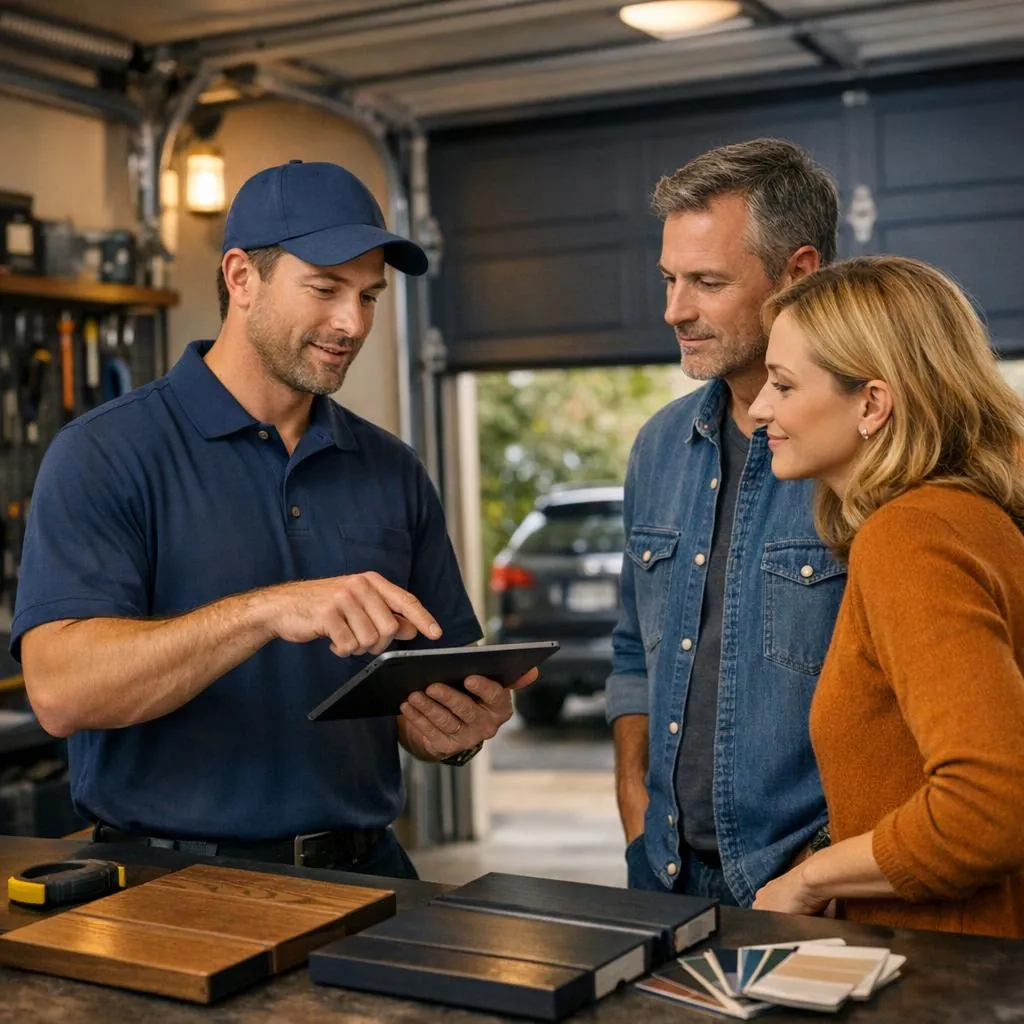
Repair calls and survey requests are tallied for each page, and a change is judged over months, not days, because a door site sees few visitors.
Plain answers about Conversion Optimisation, written for garage door companies.
On the repair page as seen on a phone, because that visitor decides fastest and leaves fastest.
Replacing the catalogue feel with evidence.
Only if a person answers it while the visitor still stands by the door.
Then the page is attracting the wrong reader and we adjust it.
General questions about Conversion Optimisation, the same for every trade, are in our FAQ.
FAQ: Conversion OptimisationKeep every channel working to one plan.
Measurements and fitting explained before the survey
Explore serviceLocal pages for estates where the doors are alike
Explore serviceClicks a door fitter should never pay for
Explore serviceA first screen for the driver who cannot get the car out
Explore serviceMotors, remotes and a door stuck open at night
Explore serviceMakers' dealer locators, pointed at the right page
Explore serviceFirst question on every call: is the car shut in?
Explore serviceA door is watched in motion, so short video comes first
Explore serviceShare your goals and constraints. We will turn them into a practical Conversion Optimisation plan for garage door companies.