
SEO for Fencing Contractors

SEO for fencing contractors starts with the questions an owner settles before any quote: which material, how high it may go, and where exactly the boundary with the neighbour runs.

Clear answers to those, plus pages on posts and ground conditions that decide how long a fence lasts, bring the planned enquiry.

See the full SEO service·See what we offer fencing contractors

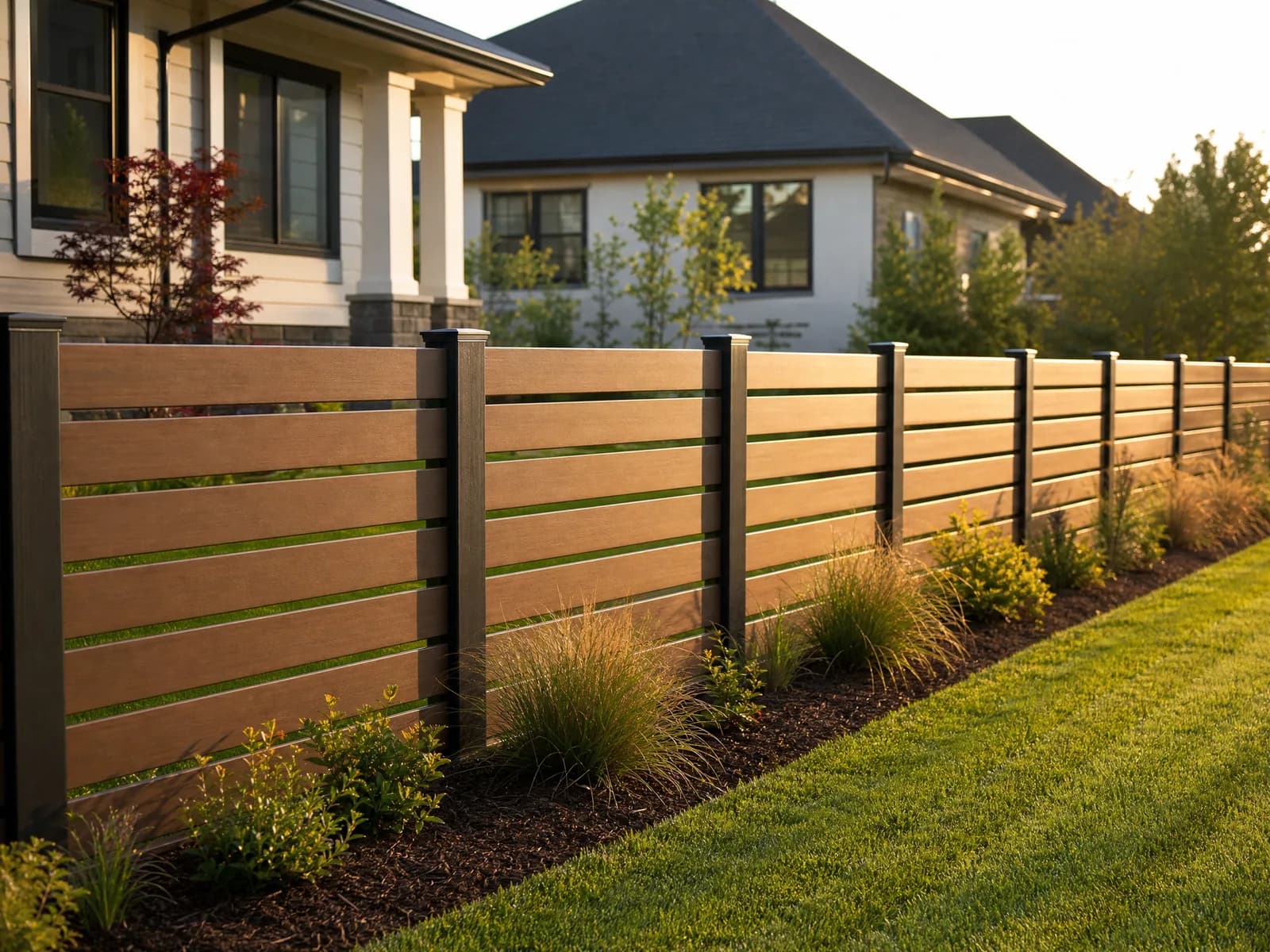
New fence of horizontal boards on dark posts along a planted border in front of a house

Online challenges for fencing contractors

Installation and repair are two different searches

Someone planning a new fence and someone with a broken panel look for different things, and most sites send both to one page.

  • A new fence is a planned purchase: people compare materials, look at finished work and ask for a quote.
  • A repair is small and often urgent: people want to know whether you take the job and how soon you can come.
The material decides, and few pages explain it

Wood, composite, metal, vinyl or panels: the choice of material shapes the whole decision.

  • A page for each material, with photos of your own work, answers the question people ask first.
  • Without it they find the answer on someone else's site.

Large runs of fencing are searched in words a garden page never uses

Farms, schools and contractors look for security fencing, livestock fencing or site hoarding, and most fencers write only for homeowners.

  • Those orders are long and come back, and a firm without pages for them does not appear.
  • Questions about posts and ground, such as what lasts on clay or on a slope, are answered by suppliers instead.

Fencing SEO: material, height and the line with the neighbour

A fence is planned work with a neighbour on the other side. Before asking for a price the owner reads about materials, permitted height and who owns the boundary.

  • They search by material and purpose: a composite fence that needs no painting, metal panels on a concrete base, a fence to keep a dog in, a sliding gate for a narrow drive. A page for each, with the posts, the foundation and photos of finished runs, answers them.
  • They compare the price per metre, which only means something when it says what is included: removal of the old fence, digging, gates and automation. Sloping ground and rock change the job, and saying so early saves a wasted visit.
  • The usual mistake is showing gates and fences as one gallery with no description. We look first at whether each material, gates and repairs have their own page.

SEO approach for fencing contractors

We plan SEO for fencing contractors page by page.

For each page we decide what it is for, which searches it answers and what a visitor has to see before getting in touch.

Rules, the neighbour and the boundary answered first

Before choosing a fence, the owner wants to know what is allowed.

  • One page explains in plain words what usually limits the height beside a road and between gardens, when a notification may be needed, and that the local authority has the last word.
  • Another is about the neighbour: who usually pays for a shared fence, which way the posts face and how to put the agreement in writing before the first hole is dug.

Customers beyond the private garden

Farms, schools, building sites and residents' associations order fencing by the hundred metres.

  • Pages on paddock and stock fencing, mesh panel fencing for businesses, sports courts and temporary fencing say which standards apply and how such work is priced and split into stages.
  • Gate automation, intercoms and access control have a section of their own, because they are searched by people who already have a fence.

Ground, posts and what lasts for years

A fence fails at the post, and anyone who has replaced one knows it well.

  • Pages explain concrete, steel and timber posts, how deep they are set in clay, sand and rock, and what to do with a slope: stepped panels or a fence that follows the ground.
  • Upkeep is described honestly for every material: what needs treating, what fades, what a strimmer damages. Winter is for planning, so these pages are refreshed before the spring orders.

This page is about search results outside the map. The map, your Google Business Profile and local searches, such as fence installer and fence repair searches by neighbourhood, have a page of their own: Local SEO for fencing contractors.

SEO process for fencing contractors

01

Search audit

We check which of your pages Google shows today, where two pages compete for one search and which searches have no page at all.

02

Page plan

We decide which page answers which search and how the pages link to each other, and you see the plan before anything is rewritten. For a fencing contractor, the plan answers the questions about height rules and shared boundaries first, then gives timber, metal and composite fences their own pages, and adds farms, schools and businesses.

03

Content and technical work

We rewrite pages, add structured data (code that tells Google what a page is about) and fix what stops Google reading the site, in batches that can each be checked.

04

Measure and adjust

We follow which pages bring enquiries that fit, not only where they appear, and change the plan when the numbers say so.

Price: SEO for fencing contractors from €550 a month plus VAT, three-month minimum.

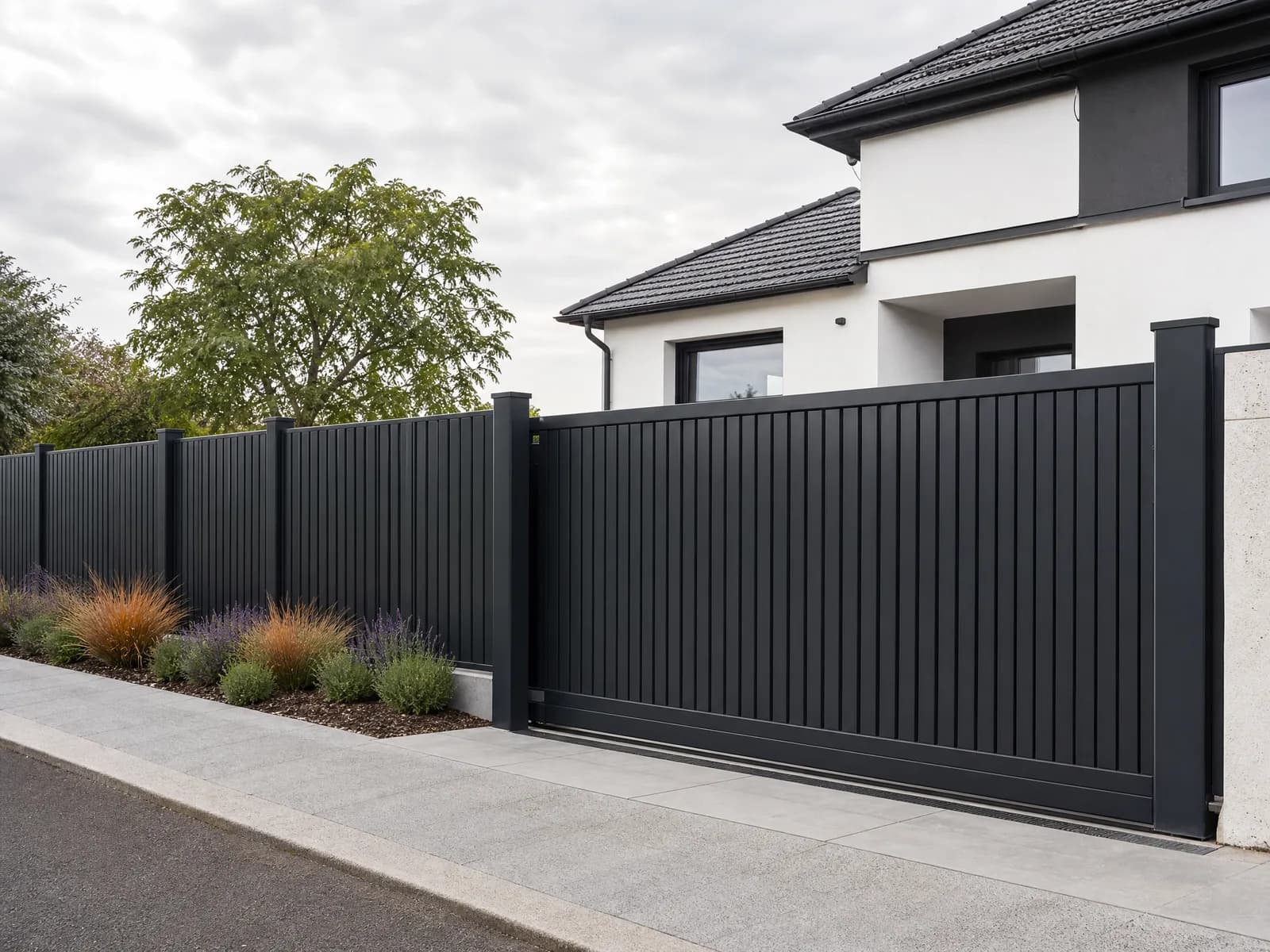
Dark grey metal fence with a sliding driveway gate in front of a modern house

How we measure results for fencing contractors

Site visit requests are counted by material and by kind of customer, private garden or commercial site, from the page where each one began.

24
priority search themes moving in the right direction

Example figure from client projects with fencing contractors. Outcomes vary by market, offer and how consistently the plan is carried out.

Questions about SEO for fencing contractors

Plain answers about SEO, written for fencing contractors.

First signals usually come in 8–12 weeks: pages on materials, gates and rules begin to be found.

  • A clear effect on fencing enquiries usually takes 4–8 months.
  • Fences are ordered when the ground thaws and after gales, so pages published in autumn and winter are already working when owners begin to measure their plots.

For a bare search such as fence panels, the shops take most of the space, because the searcher wants to buy panels.

  • An installer is found for searches that name fitting, a town, a problem or a rule: a fence on a slope, a replacement after a gale, the height a fence may have.
  • Those searchers want someone to do the work.

Only for those about which you have something true to say: fences you built there, the ground you met, a local rule on height beside the road.

  • A page that swaps one town name for another adds nothing and can pull the others down.
  • A few real ones are better than a long list.

Where it stands, by town or district, what it replaced, the material, the height, the rough length, the kind of ground and how many days the crew was there.

  • Add photos of the whole run and of the gate, and one sentence from the customer if they agree.
  • That is enough for a neighbour with a similar plot to find it.

Often yes.

  • When the job, the customer or the urgency differs, separate pages keep headlines and proof honest.
  • That helps people choose faster and helps Google show the right page for each search.

General questions about SEO, the same for every trade, are in our FAQ.

FAQ: SEO

Need a growth plan for fencing contractors?

Share your goals and constraints. We will turn them into a practical SEO plan for fencing contractors.