Direct booking intent competes with OTA dominance
Hotels lose margin when people who find you online do not book direct.
- Weak direct-booking paths increase dependency on intermediaries.
- Pages built around each guest intent protect revenue quality.
Lead systems for Hotels should separate booking-fit inquiries from looser comparison traffic before the team wastes time on the wrong conversations.
Forms, routing, and SLA need to reflect room availability, front-desk hours, and market radius, not a generic inbox habit.
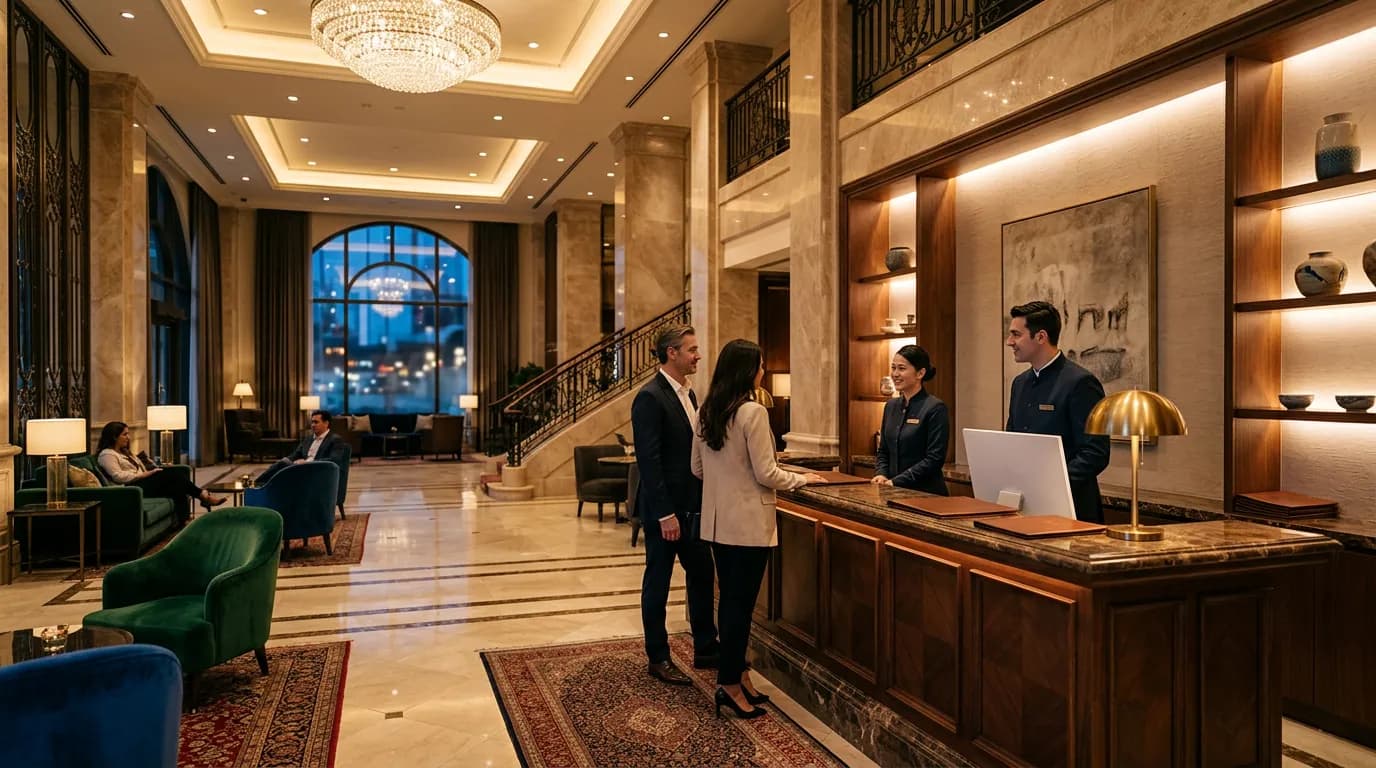
One inbox, one form, and no distinction between booking intent and loose inquiry traffic quietly drain time from the team.
Hotels lose margin when people who find you online do not book direct.
Business, leisure, and event travelers evaluate different value signals.
Guests compare trust cues quickly before committing.
Unaligned channel plan creates spend inefficiency and weak forecasting.
For Hotels, we keep the Lead Generation plan tied to direct-book stays and event or package searches, guest reviews, room accuracy, and
destination cues, and the operational limits buyers need to trust before they contact you.
We align Lead Generation with booking-fit intake rules, earlier stay qualification, and handoff logic that respects room availability, front-desk hours, and market
radius instead of treating every inquiry the same.
Hospitality pipelines break when every inquiry lands in one undifferentiated inbox.
Not every inquiry deserves the same human time.
Speed matters, but silent automation creates guest frustration.
Lead volume is weak if it does not map to the right reservations.
We document how Hotels captures booking, stay, and local-demand threads around direct-book stays and event or package searches and hotel near me and weekend-stay searches.
Rules separate booking-fit inquiries from weaker contacts, with response logic grounded in room availability, front-desk hours, and market radius.
We confirm quickly, route priority inquiries to the right human owner, and keep the handoff visible instead of hiding it inside inbox chaos.
We connect source quality to useful stays and revenue so leadership can see which demand patterns deserve more attention.

Winning systems show better booking-fit conversations, less front-desk drag from weak inquiries, and clearer source patterns tied to useful stay value.
Direct booking pages should explain why booking with you beats confusion on third-party apps, without hiding that some guests still find you there.
Results from representative client programs. Outcomes vary by market, offer, and execution consistency.
Answers for Hotels owners considering lead generation.
We split demand around direct-book stays and event or package searches from more urgent or location-specific pulls like hotel near me and weekend-stay searches, so the team does not handle every inquiry as the same kind of booking opportunity.
Fast confirmation matters, but the right handoff matters more.
We qualify earlier on timing, stay fit, and commercial fit so the wrong inquiry filters itself out before it eats front-desk or reservations time.
Booked outcomes, source quality, and which inquiry patterns create useful reservations.
The same definitions for a useful inquiry carry across Lead Generation, SEO, and Local SEO so the funnel stays consistent from search to booking conversation.
Use clear pages for people who already want to book direct: perks, cancellation rules, and what room they get.
Direct booking and partner listings are explained in the FAQ section.
Hotels + local FAQKeep your growth system coherent across channels.
Topical authority and high-intent rankings for Hotels.
Explore serviceMap-pack visibility, local trust, and cleaner call intent for Hotels.
Explore serviceDemand capture with tighter CPL and stronger lead filtering.
Explore serviceConversion-ready pages aligned to how Hotels teams actually sell.
Explore serviceAI-era visibility and citation consistency across search assistants.
Explore serviceAuthority links that support rankings in competitive Hotels searches.
Explore serviceContent rhythm that turns attention into inquiries.
Explore serviceFunnel, CTA, and booking improvements validated by tests.
Explore servicePair with CRO on inquiry paths, web changes that reduce booking hesitation, and paid capture around hotel near me and weekend-stay searches so the same qualification logic carries from click to reservations.
Share your goals and constraints. We will turn them into a practical Lead Generation plan for Hotels.