
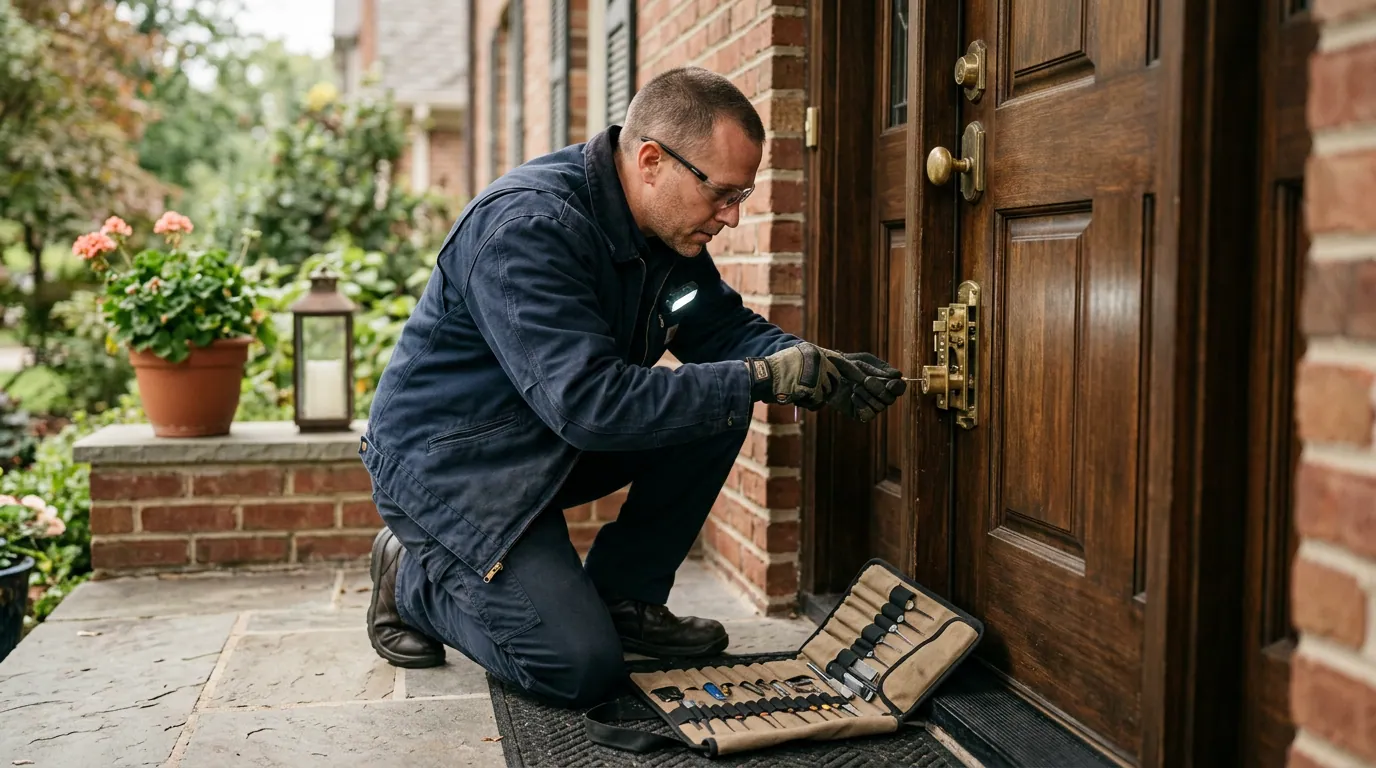
Website Development for Locksmiths

Tap-to-call, clear fees, and license proof beat decoration. especially on phones.

Emergency lockouts and commercial rekeys stay on separate paths so the site matches dispatch, not a one-size template.

View full Website Development service·Explore industries

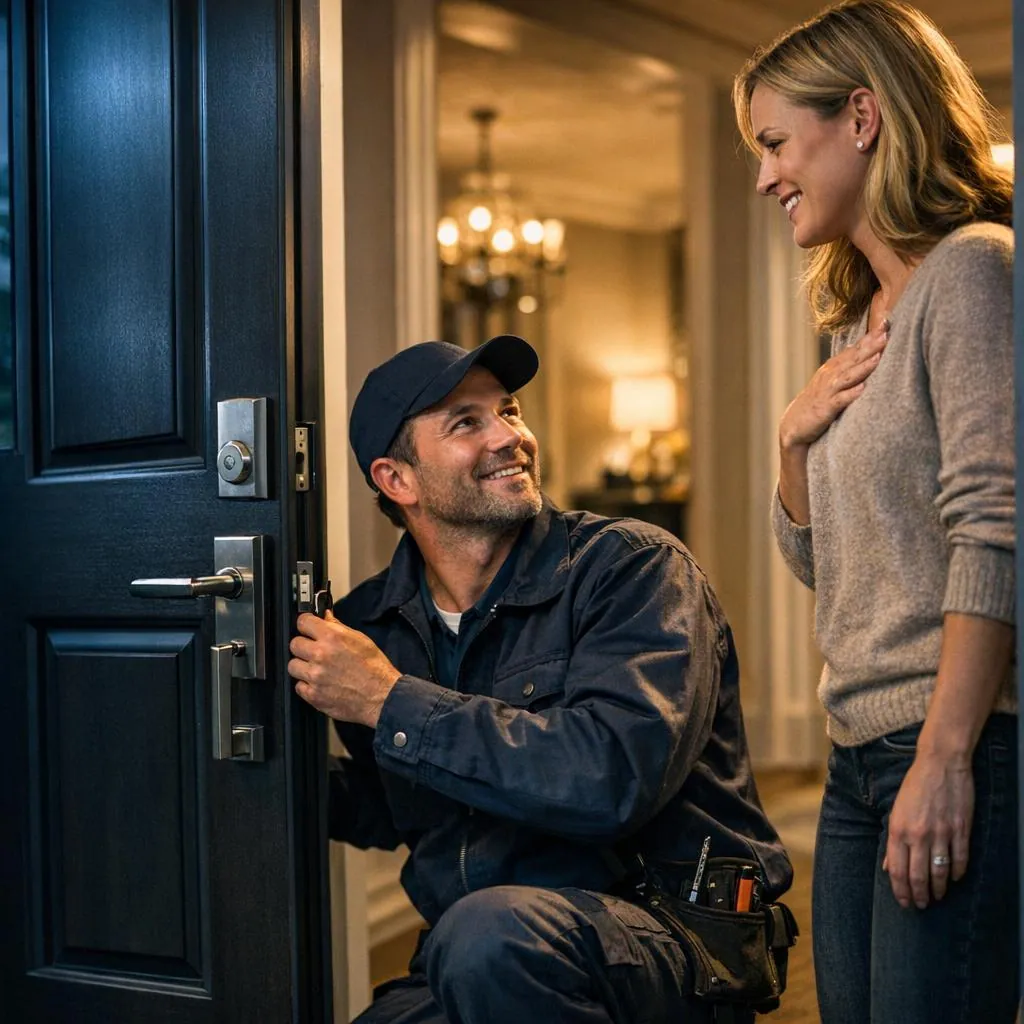
Emergency locksmith opening a modern security lock with precision tools in a premium residential doorway scene

Online challenges for Locksmiths

Slow pages and hidden fees burn budget after costly night clicks.

Generic templates hide license proof, blur your service area, and front-load forms.

We separate a fast emergency path from a calmer, proof-led flow for commercial buyers.

Urgent jobs go to whoever answers fast with a credible mobile path

Locksmith demand is overwhelmingly urgent; mobile experience and click-to-call decide the winner.

  • You do not lose “traffic”. You lose the job to whoever answers first with a credible line in search results.
  • Perfect the path from search to ring in one thumb motion.
Scam ads force legit operators to prove locality in seconds

Category trust is damaged by scam ads and fake pins.

  • Legitimate businesses must prove locality, licensing, and human responsiveness fast.
  • Otherwise searchers default to whoever looks safest at a glance.

Hidden trip fees turn good clicks into angry calls

After-hours pricing and trip fees are emotional flashpoints.

  • If pages hide context, you earn clicks that become hostile conversations.
  • Transparent messaging protects conversion quality and reputation under stress.

Multi-city coverage breaks your Google profile unless crew zones are clear

Wide service areas and mobile vans make it hard to keep your Google profile and website pages aligned.

  • Without a clear map of who goes where you risk profile issues, messy rankings, and wasted ad spend.
  • Clarify where you truly roll from, and where you do not.

How Website Development solves this for Locksmiths

We map lockout journeys first, then place commercial proof and scope boundaries beside CTAs.

Scheduling only where it removes friction; often tap-to-call beats heavy widgets.

Real-device QA before launch.

Dual templates

Emergency templates foreground tap-to-call and location checks, while commercial templates foreground scope, references, and structured RFQ fields.

  • This prevents one layout from under-serving both panic users and procurement-led buyers.
  • Shared design tokens keep brand consistency while letting intent-specific UX do the conversion work.

Performance

Compressed media, deferred noncritical scripts, and strict performance budgets keep critical actions visible before decorative elements load.

  • We optimize specifically for mobile emergency pages where every second of delay cuts call-through.
  • Performance QA includes low-signal scenarios, not only ideal office Wi-Fi conditions.

Policy clarity

After-hours surcharges, verification requirements, and service boundaries are explained before contact, not after dispatch.

  • Clear policy copy reduces disputes, chargebacks, and low-intent calls.
  • Transparency improves trust signals for both users and search engines.

CRM-friendly forms

Job-type toggles route emergency, residential, and commercial inquiries to the correct pipelines with minimum friction.

  • Progressive fields capture only what dispatch needs at first touch, then enrich in follow-up.
  • Form events map cleanly to CRM stages for downstream revenue reporting.

Execution process for Website Development in Locksmiths

01

Journey mapping

We script emergency lockout and commercial inquiry journeys end-to-end, including device context, user stress level, and decision blockers. This gives us conversion hypotheses grounded in real behavior, not abstract wireframes.

02

Design + integrations

We design responsive templates and align fields with your CRM and dispatch logic. Data capture, call routing, and confirmation states are defined per service line so teams do not manually patch lead quality after launch.

03

Build and perf QA

We ship in staging with analytics, call tracking, and technical QA for Core Web Vitals, schema integrity, and CTA prominence. Critical checks include mobile first paint, sticky-call behavior, and form completion resilience.

04

Training

We train operations teams to update pricing, hours, and service coverage safely without breaking layout, metadata, or tracking. Clear control notes ensure content stays accurate as dispatch reality changes.

Rapid locksmith assistance scene with secure access setup, key tools, and refined navy and amber visual styling

How we measure results for Locksmiths

We measure tap-to-call rate, form starts by intent group, and bounce on fee-clarity modules. We also track call quality proxies so design wins are tied to booked jobs, not just button clicks.

URL preservation and redirect QA protect existing rankings during migration. 24-hour and car lockout searches need clear trip fees, real coverage, and a page that loads fast on a phone so stressed taps stay with you.

1.8s
median LCP improvement on emergency templates
30
% higher tap-to-call rate on mobile
2.5
× faster median time-to-call (after-hours + car lockout)

Results from representative client programs. Outcomes vary by market, offer, and execution consistency.

FAQ

Answers for Locksmiths owners considering website development.

Yes.

  • We set separate call and form routing rules for urgent lockouts versus planned commercial work, so the right team gets the right request immediately.
  • This usually improves response quality and reduces manual triage during peak hours.

We place short, plain-language fee modules near primary CTAs and link to full policy detail for users who need it.

  • This reduces refund disputes and keeps trust high without adding friction for urgent visitors.

Usually yes.

  • Intent, urgency, and qualification criteria differ, so separate templates perform better for both conversion and ad fit.
  • We keep shared trust signals consistent across both page types.

We prioritize license and insurance proof, service-area clarity, business identity details, and transparent policy blocks in visible positions.

  • This strengthens user trust and supports local SEO quality signals.

Yes, when migration is controlled: URL mapping, redirect QA, metadata parity, and post-launch monitoring are handled as one checklist.

  • The goal is higher speed and clearer conversion paths without visibility regressions.

Put extra fees, typical response time, and license info where people skim.

  • Keep your Google profile and main page saying the same thing.
  • Honest detail earns trust and better clicks than hype.

After-hours locksmith and local trust topics are in the FAQ section.

Locksmiths + local FAQ

Ready to grow demand in Locksmiths with Website Development?

Share your goals and constraints. We will turn them into a practical Website Development plan for Locksmiths.