
Exam and product intent should be split for better conversion
Eye exam seekers and frame buyers evaluate different value criteria.
- One combined page dilutes fit and booking quality.
- Segmented pathways improve both service and product outcomes.
For Opticians, CRO should reduce uncertainty before contact, because buyers are choosing competence and scope, not impulse.
We test how eye-exam intent and frames or lens selection demand gets explained, proven, and turned into the next confident step.
View full Conversion Optimization service·Explore industries

The usual leak is not traffic volume but the moment a buyer still cannot judge scope, risk, or fit before deciding whether
contact is worth it.
Eye exam seekers and frame buyers evaluate different value criteria.
Optical decisions rely on perceived expertise and safety confidence.
Frames and lenses pages need geo and use-case fit to convert nearby users.
Users switch devices and intents between exam and purchase stages.
For Opticians, we keep the Conversion Optimization plan tied to eye-exam intent and frames or lens selection demand, licensed staff, product proof,
and patient reviews, and the operational limits buyers need to trust before they contact you.
We align Conversion Optimization with tests that reduce uncertainty before contact: proof order, offer language, and CTA timing around eye-exam intent and
frames or lens selection demand.
Advisory CRO should reduce uncertainty, not just brighten the CTA.
The right test clarifies whether the buyer understands the offer enough to engage.
Qualified buyers want confidence, not performance theatre.
CRO gains disappear when the team keeps using the old path.
We review the pages where eye-exam intent and frames or lens selection demand should turn into qualified contact and mark where scope, proof, or next-step clarity breaks down.
Each test names the audience, the trust gap, and the stop-loss before any build work starts.
We ship variants with QA on forms, CTA language, and tracking so strong leads are not traded for noisy volume.
Winning patterns become documented operating standards so the sales journey stays clearer after the test ends.
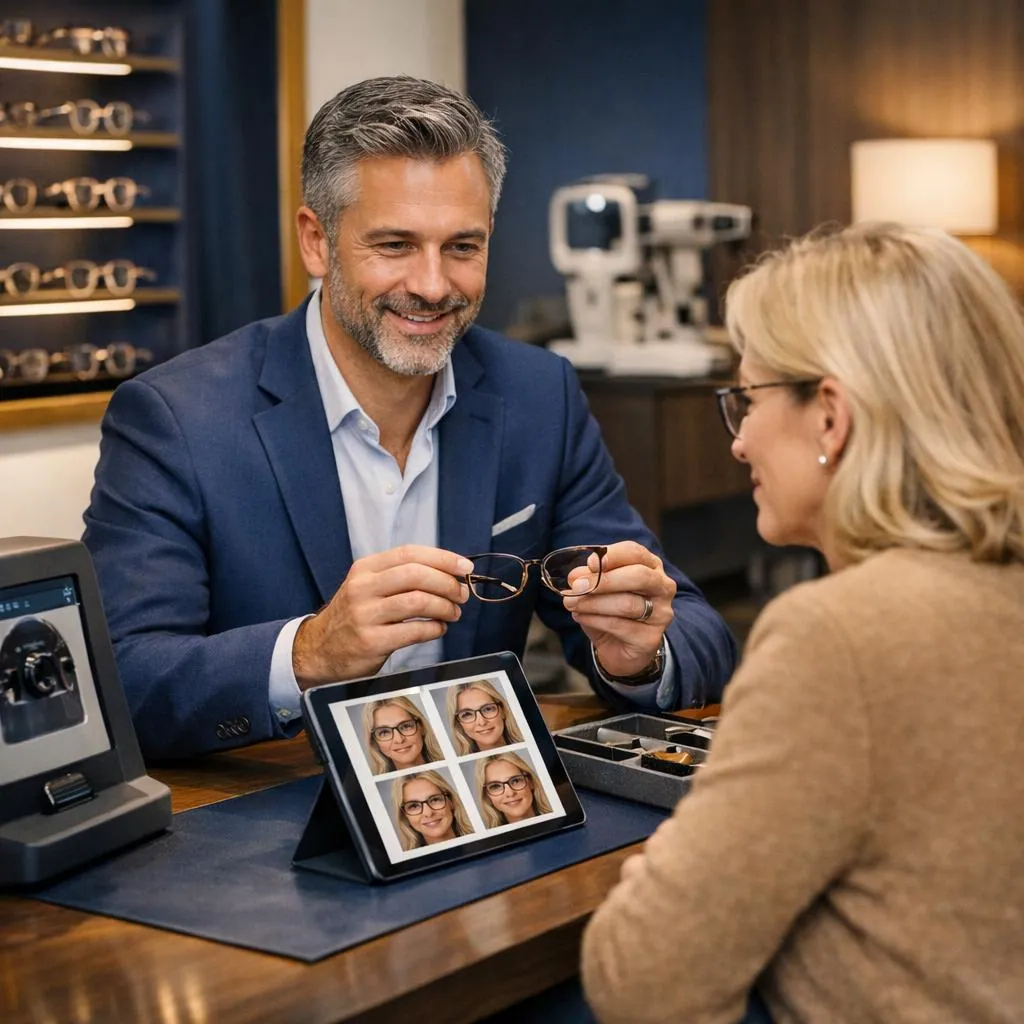
Wins mean more well-matched conversations, fewer contacts created by wrong expectations, and patterns the team can keep without diluting trust. Eye exams and picking frames are related but not the same step.
We connect them with obvious “what happens next” links.
Results from representative client programs. Outcomes vary by market, offer, and execution consistency.
Answers for Opticians owners considering conversion optimization.
On the pages where serious buyers decide whether to start a conversation.
Clarity of scope, proof order, and confidence in the next step.
Long enough to capture a meaningful sample of serious inquiries, not just raw traffic.
We treat that as a loss.
We turn it into the default for forms, proof order, and CTA logic so the gain survives beyond the test window.
Exam pages stay focused on health checks and timing.
Exam-to-purchase flow tips are in the FAQ section.
Opticians + local FAQKeep your growth system coherent across channels.
Topical authority and high-intent rankings for Opticians.
Explore serviceMap-pack visibility, local trust, and cleaner call intent for Opticians.
Explore serviceDemand capture with tighter CPL and stronger lead filtering.
Explore serviceConversion-ready pages aligned to how Opticians teams actually sell.
Explore serviceAI-era visibility and citation consistency across search assistants.
Explore serviceAuthority links that support rankings in competitive Opticians searches.
Explore serviceLead intake flow from first click to qualified handoff.
Explore serviceContent rhythm that turns attention into inquiries.
Explore servicePair this with a stronger service site, SEO, and campaigns built on the same promises so the sales conversation starts from the right expectations, not cleanup.
Share your goals and constraints. We will turn them into a practical Conversion Optimization plan for Opticians.