
Voice Search Optimisation in 2026: What Still Works
Optimise for conversational and voice queries: question mapping, answer-first structure, local and entity data, schema, and practical measurement proxies.
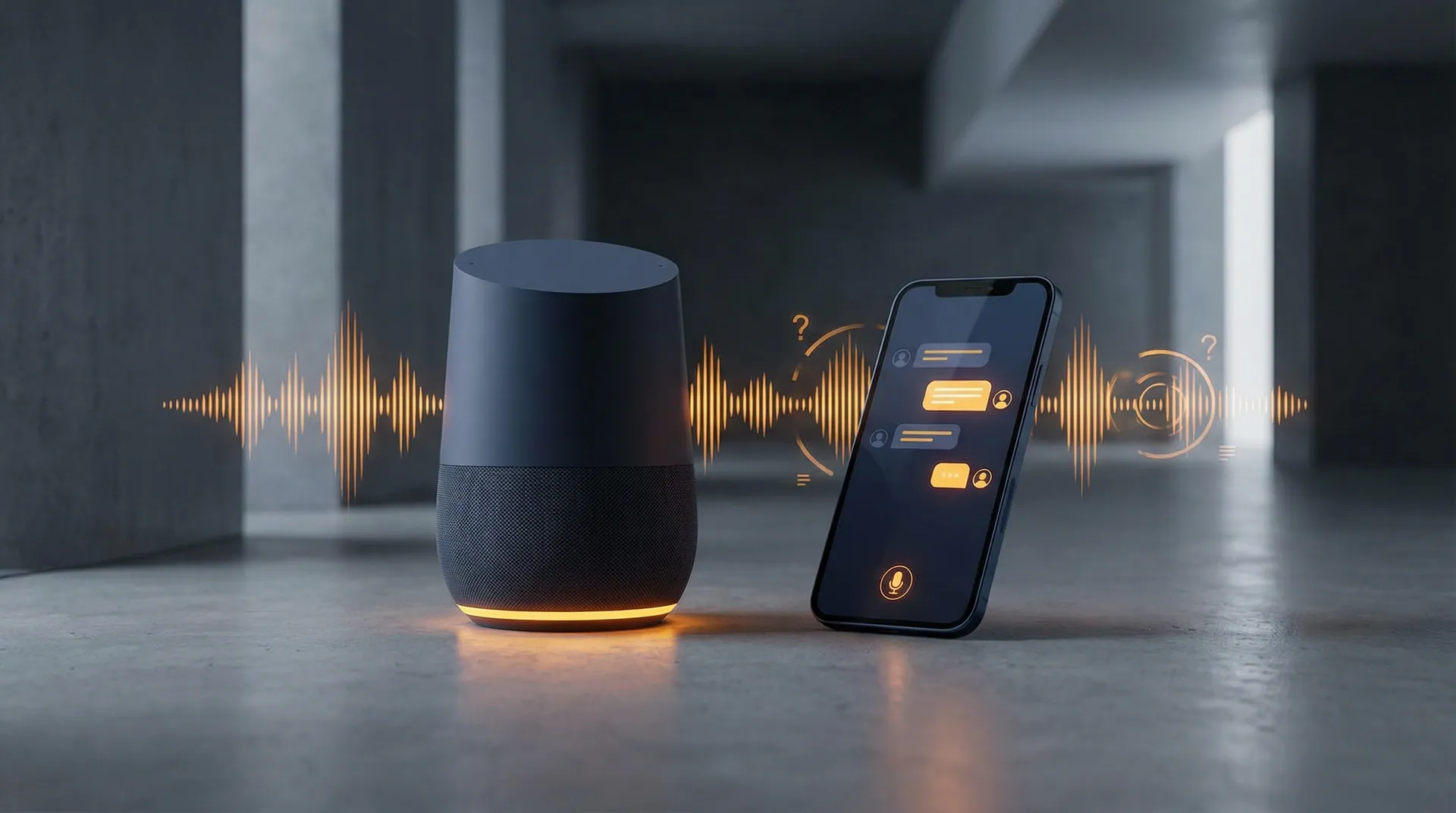
People speak longer questions than they type.
Many voice queries are local or need a fast, plain answer, so the basics in what decides the map results and LocalBusiness schema apply to them as well.
The same habits make a page easier to use for any answer, spoken or written: a short lead, clear facts and business details that match everywhere.
What is and is not known about AI answers is in our article on AI search optimisation (GEO).
Map Conversational Query Patterns
Group content around how people ask out loud: who, what, how, where, best for.
Pull real phrases from sales calls and support tickets.
Answer-First Content Structure
Put the direct answer in the first lines.
Add detail below.
Use short FAQ and summary blocks that answer one question each.
Local and Entity Signals
For local intent, keep your Google Business Profile, website and listings aligned.
Keep the business name, address and category identical everywhere, so whatever reads them finds one version.
Technical Readiness
Google stopped showing FAQ rich results in its search results in May 2026, so FAQ markup no longer earns an extra feature there.
Keep the questions and answers on the page for readers.
Speed and structure do not replace good copy.
They help people reach the answer quickly; no assistant publishes how it picks the answer it reads out.
- Fast pages on a phone that are easy to use.
- Structured data that matches the page (Organization, LocalBusiness, Article).
- Clear internal links between pages that answer related questions.
Measurement
Watch growth in question-shaped searches in Search Console.
Track how the pages that answer them perform and how many enquiries they help bring.
Content that works for voice is clear questions and answers done well, and it helps in classic search too. If you want help, see our SEO service and our Local SEO service.
Want to adapt your content system for conversational and voice-style queries? We can build a practical rollout plan.
Book a strategy consultationFrequently asked questions
Is voice search still relevant for B2B?
Yes, especially for research and informational stages where conversational queries are common.
Do we need separate voice pages?
Usually no. Optimise existing pages with answer-first structure and conversational intent coverage.
What supports voice visibility most?
Clear direct answers, business details that match everywhere, local consistency where relevant, and technical quality.
How do we measure voice impact?
Use proxy metrics: question-query growth, snippet/answer visibility, and assisted conversion behaviour.