Digital Growth for E-Commerce Businesses
Ranking is only step one: revenue comes when visitors buy.
We work on both, from SEO for product pages to Google Shopping and search ads judged by the return on ad spend (ROAS).
+340%
Revenue
+520%
Organic Traffic
3.1x
Conversion Rate
+340%
Revenue
+520%
Organic traffic
3.1x
Conversion rate
Product pages
Clicks to reach a product: 6–7 → 3 at most
Who this is for
We are a good fit if:
- You have an existing product catalogue with real demand.
- You want visits from organic search so that you depend less on ads.
- You are willing to fix technical SEO problems on your site.
- You want ads that earn back more than they cost, alongside organic growth.
We may not be the right fit if:
- You have fewer than 20 products.
- Nobody searches for what you sell.
- You do not want to change how your site is structured.
- You want ads only, with no investment in organic search.
Why marketing for online shops often falls short
Three problems that often hold results back in this sector. For each one, we say what we do about it and how we measure it.
Thousands of pages, no clear priority
A large catalogue brings SEO problems: duplicate pages, pages Google never gets round to reading, thin product pages, and pages competing with each other for the same search. Without structure, most pages never rank.
Ad costs rising, returns falling
Google Shopping and search ads cost much more than they used to. Without support from organic search and careful bidding, your margins shrink fast.
Visits that do not buy are just a cost
Getting visitors is one problem. Getting them to buy is another. Site speed, ease of use, the layout of product pages and signs of trust all affect whether they buy.
Market context
- • Many shoppers add a product to the basket and leave without buying
- • Category and product pages that rank bring buyers with no cost per click
- • The buying decision is made on the product page
Our plan for online shops
A site structure that helps products rank
We start with the product and category pages that earn the most, fix technical problems and add internal links that give those pages more weight.
Shopping and search ads judged by return
Shopping campaigns built on your margins and sales data. We group products by how well they sell and cut spend on the ones that do not.
More visitors who buy
We check product pages, the checkout and site speed. In a large shop, small gains in the share of visitors who buy can add up to a lot of revenue.

E-commerce store: 340% revenue growth in 12 months
An online brand with thousands of strong products had little presence in organic search, and ads that underperformed. We rebuilt the site structure, improved product pages across the catalogue and restructured the Shopping campaigns. Revenue grew 340% in 12 months.
• Main measure: Revenue.
• We report against the starting point every month: what moved, why, and what we do next.
• One person owns the decisions, and one report covers every channel.
Each problem, our answer and what we measure
| Problem | What we do | What we measure |
|---|---|---|
| Thousands of pages, no clear priority | A site structure that helps products rank | Revenue from organic search |
| Ad costs rising, returns falling | Shopping and search ads judged by return | Return on ad spend |
| Visits that do not buy are just a cost | More visitors who buy | Share of visits that end in a sale |
Where we usually start
What working with us looks like
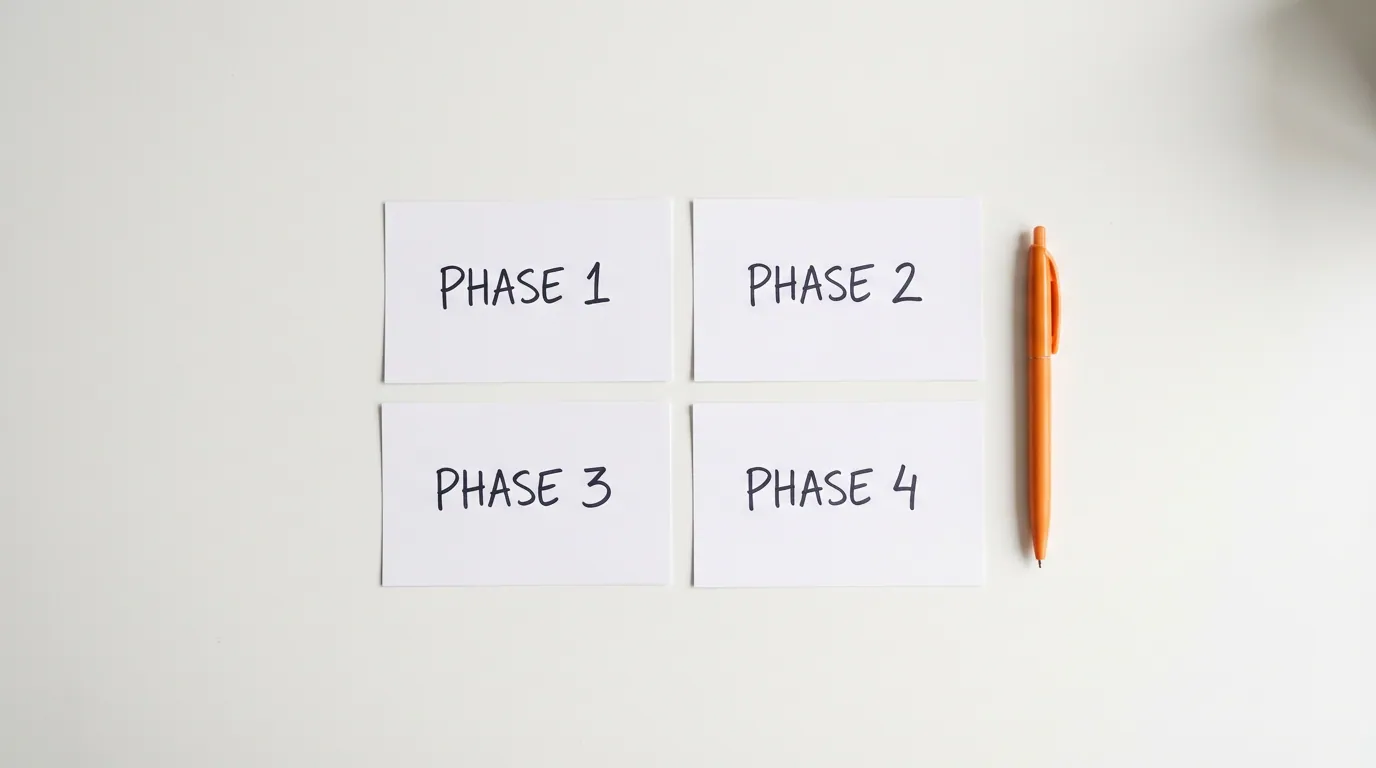
Weeks 1–2
Starting point and plan
We record today's numbers, work out where more customers could come from and agree with you what to fix first, based on your business goals.
Weeks 3–6
Foundations
We fix technical problems, improve the pages where people get in touch or buy, and plan content around what your customers search for.
Weeks 7–12
Bringing in customers
SEO and paid ads run side by side. We check the agreed measures every week and adjust the work.
Month 4+
Growth
We build on what works. The aim: a site that Google and customers trust more, a lower cost per customer and less risk when one channel changes.
What to know before you get in touch
SEO for a large shop means changing your site structure, your product pages and sometimes all your page addresses (URLs).
If you are not willing to make technical changes, organic growth soon hits a ceiling. If you are ready to build it properly, the gains can keep adding up.

Common concerns, answered
- “We have tried SEO and ads before.”
- When it did not work, it was usually for two reasons: the work was split between too many people, and nobody could tell which channel brought which customer. We fix how the work is run first, then move more of the budget to the channels that pay.
- “How soon will we see results?”
- Paid ads and changes to your pages usually show results first. SEO takes longer, and its effect keeps adding up. We plan the work so that you see early signs of progress while the long-term work goes on.
- “Can this work with our current team and tools?”
- Yes. We plan around what you already have and agree who does what, on your side and ours.
- “What if our market is too competitive?”
- Then focus matters most. We first protect the searches that already bring you profitable work, then go after the ones most likely to pay off.
Questions before you hire an agency
Want more sales from your product catalogue?
Bring your current numbers, your limits and the market you want to reach. We will show you where you are losing customers and what to fix first.
Product
pages audit
Tech
fix plan
Growth
measured